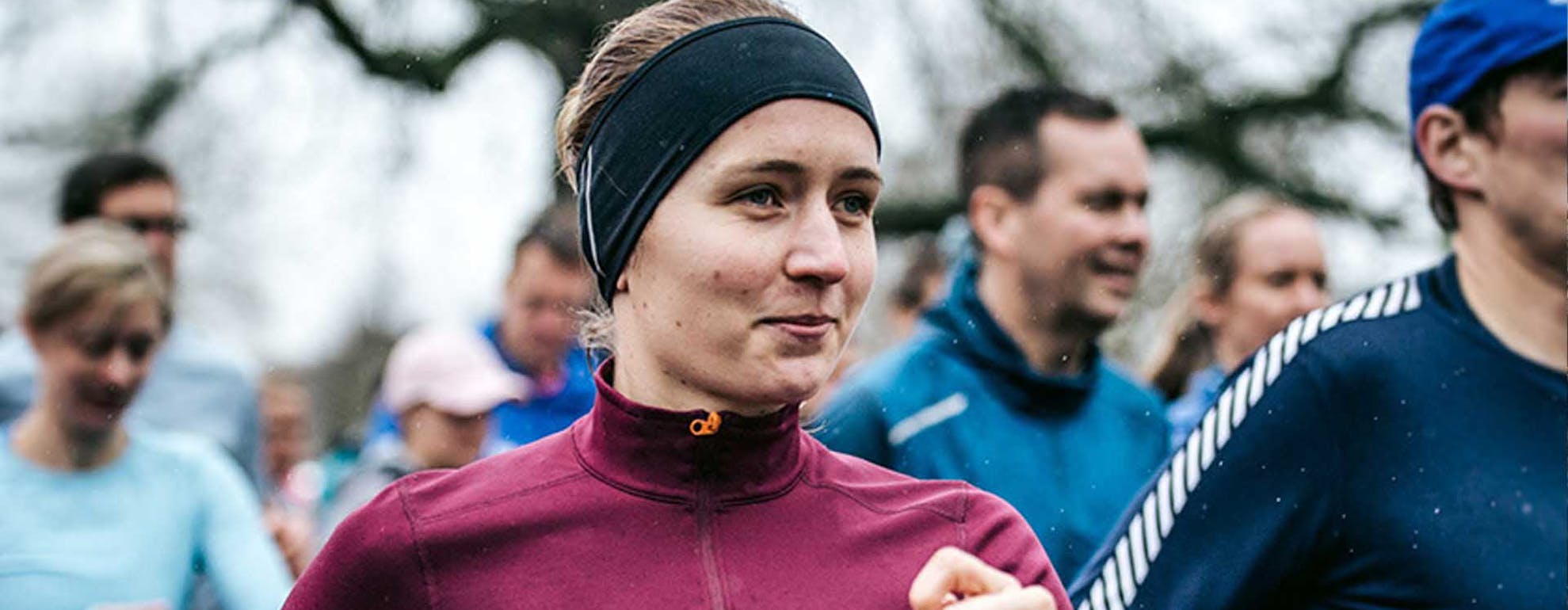
Running in the Heat: Expert tips for staying safe and performing your best
Ultra runner Jon Shield is no stranger to running in extreme conditions, having competed in ultra-distance races in the jungle, desert and arctic.
Here he shares his top tips for staying safe, performing well and adapting to running in the heat.
Why Does Running Feel Harder in the Heat?
Often runners are surprised by how dramatically hot weather affects their performance. As temperatures rise, your body diverts more blood towards the skin to help regulate temperature. Your heart works harder, sweat production increases, and perceived effort rises, even when trying to maintain your usual pace.
This means your pace may be slower than usual when running in hot weather. This is completely normal, and not an indication of a lack of fitness.
Jon explains that one of the biggest mistakes runners make is trying to force the same pace they would on a cool day. On hot days, running by effort and body feel is usually a much more sensible approach.
“Pace becomes a less reliable metric in the heat,” Jon notes. “Effort and how your body feels are far more important.”
Listening to your body is a theme that runs throughout these tips. Learning to recognise how effort feels in different conditions is one of the most valuable skills in heat training and racing.
ㅤ
Hydration
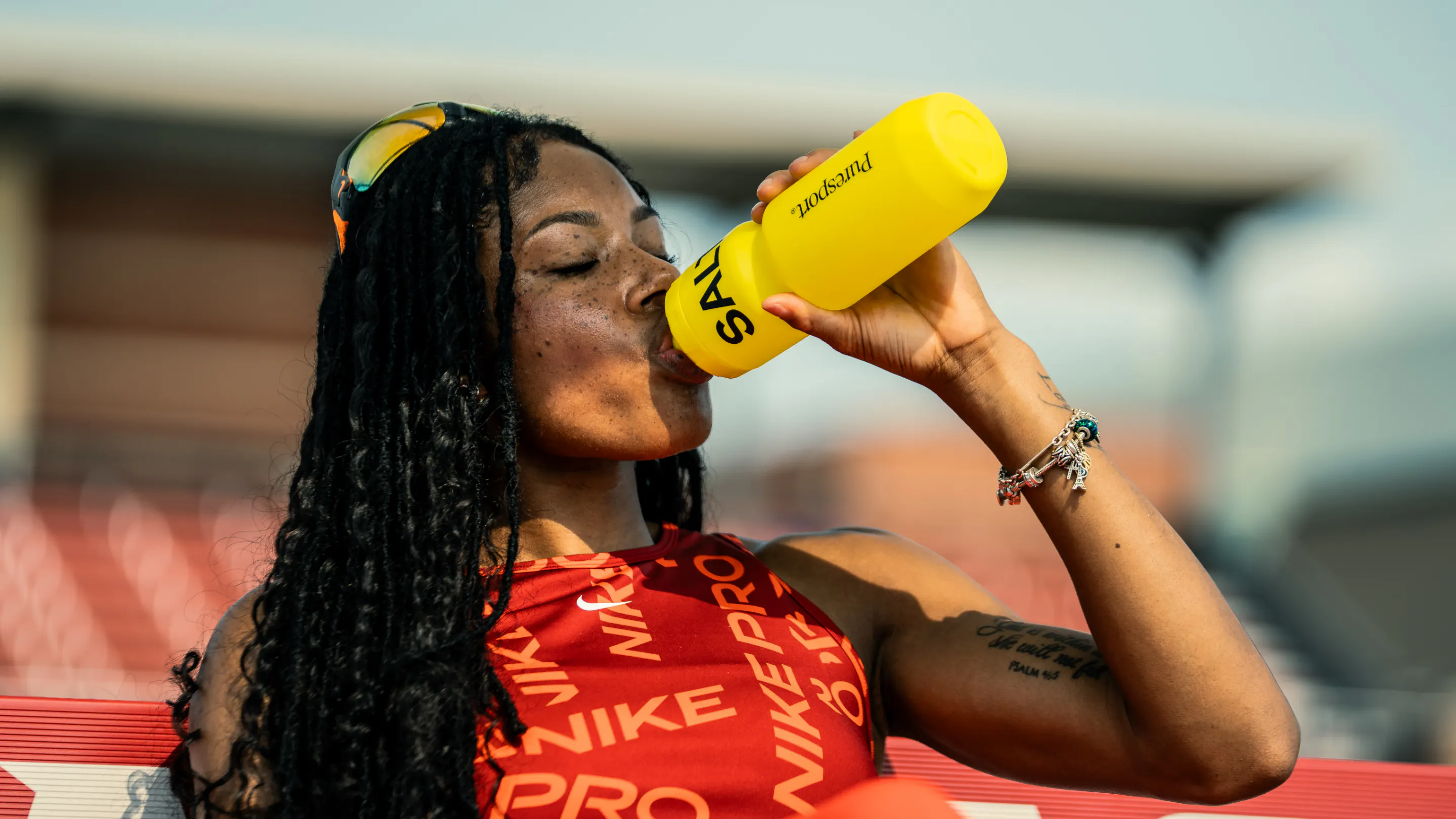
Hydration is one of the most important considerations when running in hot conditions. Ensure you drink regularly before, during and after training.
Even being slightly dehydrated can negatively affect performance and increase the risk of heat-related illness.
Consider the need for greater amounts of electrolytes to offset increased sweat rates. We stock a range of Puresport electrolytes which come in powder form and can be added to your water bottle.
Even if you don't think you'll require water on your run, carrying a lightweight soft flask is an easy backup plan.
Signs you may be under-hydrated include dark urine, dizziness, headaches, unusually high heart rate and early fatigue.
However, over-hydration can also be a risk. Drinking excessive amounts of plain water without replacing sodium (which can be found in electrolytes) can dilute blood salts and may lead to hyponatraemia, particularly on long runs.
The Right Time to Train
Where possible, avoid the hottest part of the day, typically between 11am and 3pm. During this window both temperature and UV exposure are usually at their highest.
Early morning or late evening sessions will generally allow you to continue train harder and more safely.
However these, consider doing lighter sessions in the heat and saving harder efforts for cooler parts of the day.
Also check the UV index before heading out. A high UV index means stronger sun exposure even if the temperature doesn’t feel extreme. A UV Index of 6 or above is officially considered high.
• 3 to 5 (Moderate):
• 6 to 7 (High):
• 8 to 10 (Very High)
• 11+ (Extreme)
Wear Breathable Apparel & Appropriate Headwear
The body’s cooling process only works if moisture evaporates from skin. Technical running fabrics are designed to move moisture away from the skin and dry quickly, supporting your body’s natural cooling process. Light-coloured clothing can also reflect sunlight rather than absorb it. Look for performance running materials labelled as moisture-wicking, quick-dry, or breathable mesh zones for ventilation.
Avoid heavy cotton fabrics, as they retain sweat and can increase chafing and overheating risk.
A good bucket hat or running cap is also a perfect accessory on a blazing hot day.
Protecting yourself from direct sunlight can be just as important as trying to stay cool, especially for the face, ears and neck.
Modern running caps differ from everyday caps, they are designed with lightweight panels, ventilation zones and sweat-wicking headbands.
A lightweight buff or bandana worn around the neck can also be soaked with water to help keep cool, the same can be done with a hat too.

Apply Sun Cream for SPF Protection
Sunburn doesn't just damage the skin; it can also impair recovery and increase physiological stress during prolonged exercise.
It's worth noting that even on overcast days, UV exposure can remain high enough to warrant protection.
A good sun cream with SPF 30 or above will help minimise the risk of sun damage.
Look for sun cream specifically designed for sports activities. Unlike regular sun cream, sports formulas are water- and sweat-resistant. This prevents the cream from running into your eyes when you swear, and washing off too easily.
A hat or cap can also help reduce sweat running into your eyes and provide an additional layer of protection alongside sunscreen, but it should not replace SPF.
Repeat, Adapt, Improve
There are benefits to training in the heat. Heat adaptation, also known as heat acclimation, helps the body become more efficient at cooling itself.
Typically full heat adaptation takes 7–10 days, but improvements can be seen far sooner.
Common adaptations include increased sweat rate (which helps the body cool more efficiently), improved sweat distribution, and greater blood plasma volume, which helps support a lower heart rate.
These changes make running in hot conditions feel more manageable and can improve performance when temperatures rise.
However, heat adaptation should be approached gradually. Build intensity slowly and avoid forcing hard sessions in extreme heat too early in your adaptation phase.

How Do You Know If You're Overheating?
Sometimes it can be difficult to identify the difference between normal discomfort and heat-related stress.
Heat Exhaustion vs Heat Stroke
| Heat Exhaustion | Heat Stroke |
|---|---|
| Heavy sweating | Hot, dry skin |
| Dizziness | Disorientation |
| Headache | Loss of consciousness |
| Nausea | Medical emergency |
If you experience dizziness, chills, nausea or unusual fatigue, stop immediately, seek shade, and begin cooling down and rehydrating.
Follow Jon Shield's adventures on Instagram
Looking for some training tips and advice? Then head over to our Training category where our athletes and experts explain everything you need to know.
Welcome
Welcome to the SportsShoes Training Hub! We’ve teamed up with athletes and experts to bring you the very best advice on how to maximise your workouts and achieve your best results.
Read More
Share this
Featured Articles
View All