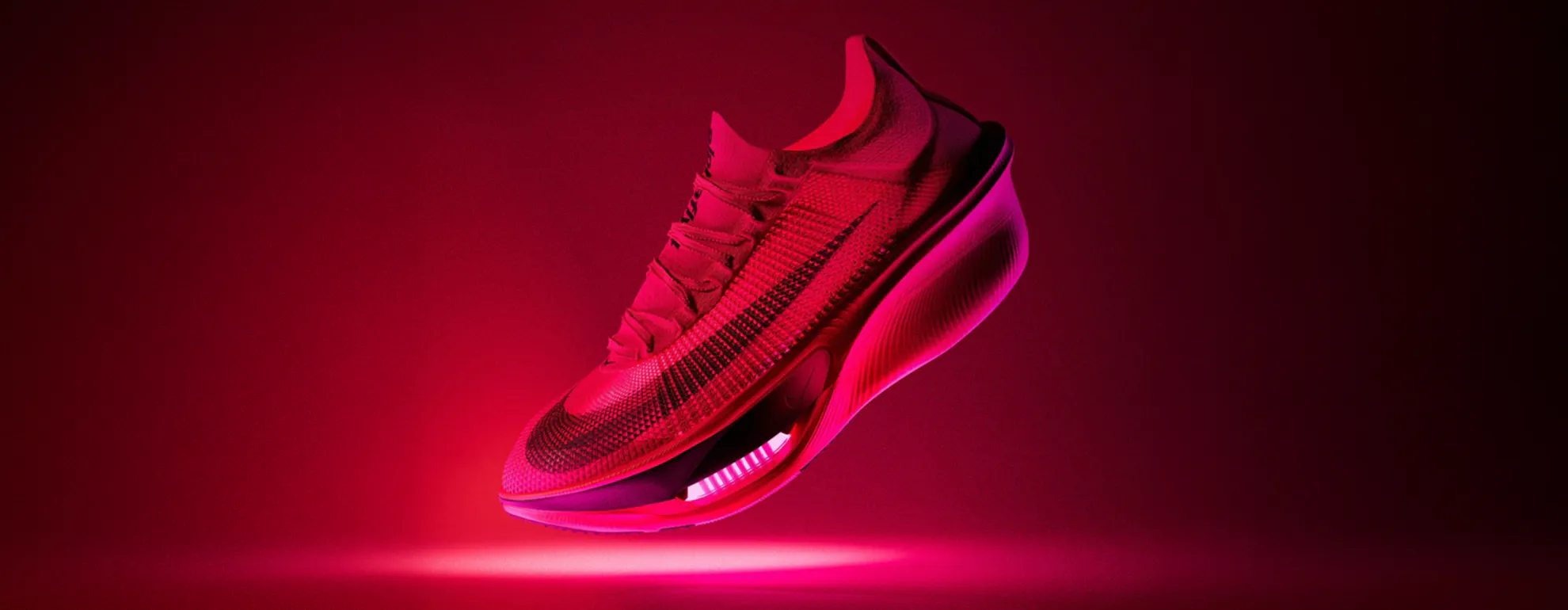
FIRST LOOK: Nike Alphafly 4. Is Nike’s New Super Shoe Ready for Your Next Marathon?
A road, track and cross-country runner with over 20 years' experience, competing from club level through to national competition and representing England in cross country overseas.
Personal bests include 5K: 14:31, 10K: 30:50, half marathon: 65:30 and marathon: 2:24.
Tom has worked in the running industry for over 10 years and trains like a full-time athlete, competing at a high national level.
Has Nike made the Alphafly 4 a more accessible, versatile and effective marathon racer? And where does it sit within a radically evolving race-day line-up designed to serve everyone from first-time carbon-plate runners to athletes chasing the limits of human performance?
The Alphafly 4 marks the beginning of a broader transformation in Nike’s race-day philosophy – the first chapter in a 12-month restructuring of its racing footwear portfolio. It reflects a brand that has learnt a great deal about the changing running market, recognising that no single shoe can meet the needs of every marathoner.
Instead, Nike is building what could prove to be a formidable three-pronged strategy for race day. Call it a triple threat: three shoes, three distinct purposes, and a clear message to the competition.
At the heart of this strategy are the Nike Apex, Alphafly 4 and Swooshfly. Each has a defined role within the marathon landscape, creating a more deliberate progression from accessible performance to outright technological ambition. We’ll explain each of these shoes later in the article.
For now, we’ll focus on the Alphafly 4, Nike’s flagship marathon racer. The latest version refines the established formula of ZoomX cushioning, Air Zoom units and a carbon-fibre Flyplate. It retains the cushioning, responsiveness and propulsion the Alphafly is known for, while introducing an improved underfoot experience and an even lighter package.
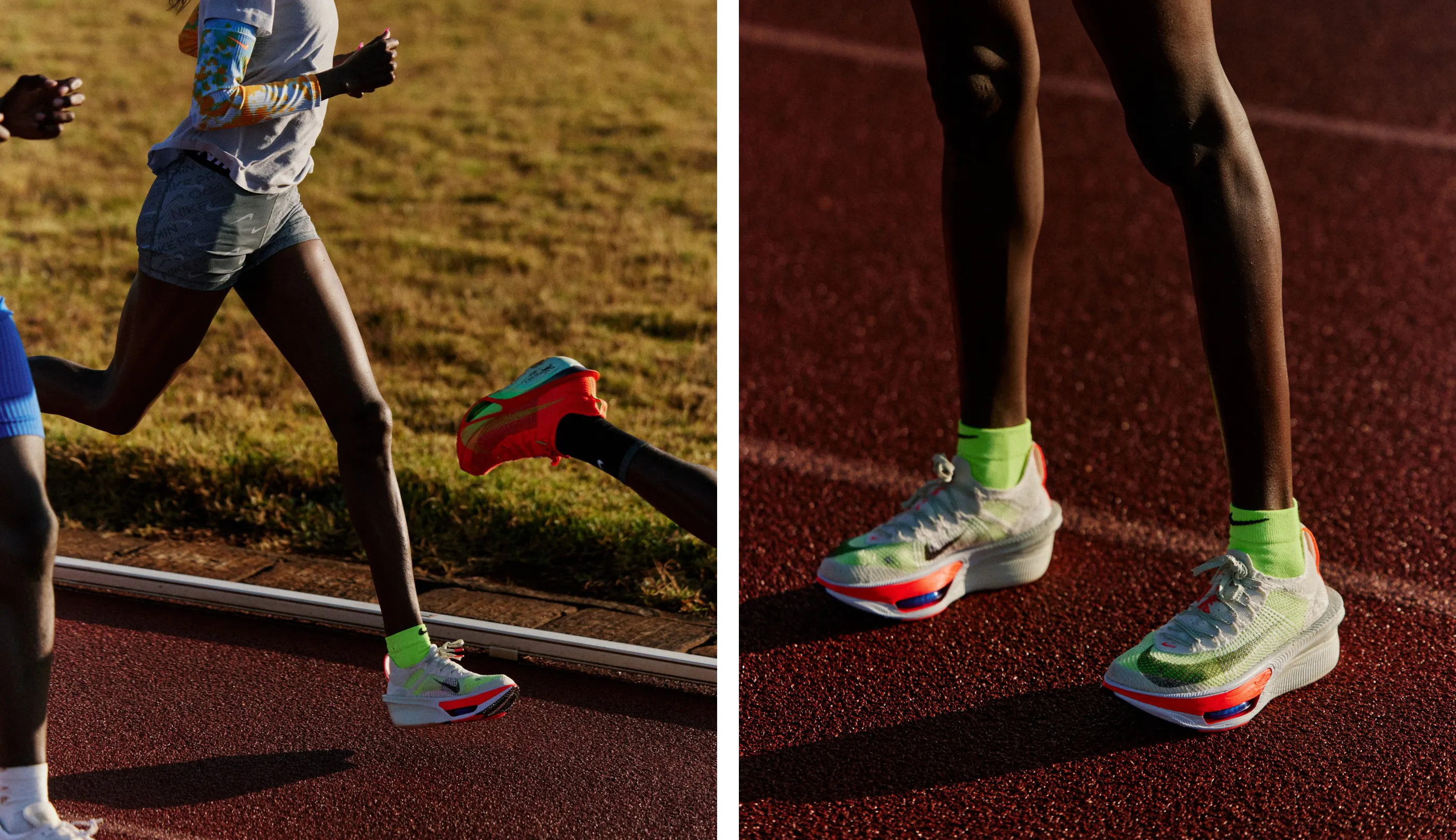
For the first time, Nike has tested the Alphafly on the feet of ‘everyday runners’. Previously, the focus was on elite athletes, who often have a particular stride and tend to strike the ground with the forefoot. Expanding the pool of testers has allowed Nike to explore how runners with different feet and strides respond to the shoe’s technology. This has helped shape a more accessible approach to the Alphafly 4, which we’ll break down in the ‘What’s new on the Alphafly 4?’ section.
Nike Alphafly 4: Key specifications
| Feature | Nike Alphafly 4 |
| Best for | Marathon racing and PB attempts |
| Type | Carbon-plated road racing shoe |
| Ideal distance | Marathon and long-distance racing |
| Weight | 208g (UK men’s 9) / 168g (UK women’s 5.5) |
| Stack height | 39mm heel / 31mm forefoot |
| Heel-to-toe drop | 8mm |
| Price | £254.99 |
| Release date | 29 October 2026 |
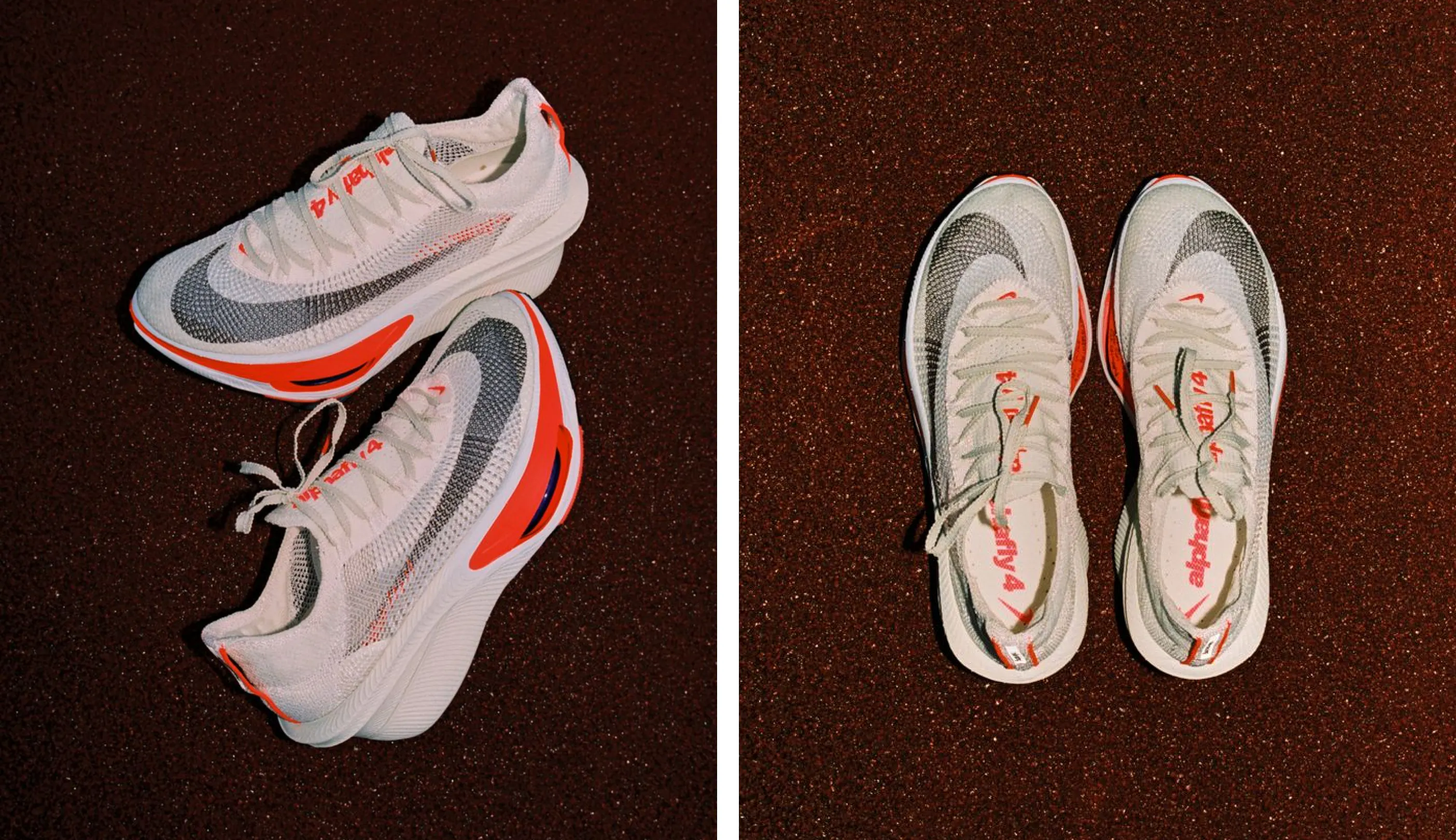
What’s new on the Nike Alphafly 4?
Nike has refined its flagship marathon racer rather than reinventing it
For the Alphafly 4, the challenge is particularly interesting. The original model became a modern racing icon, earning a loyal following among runners who valued its distinctive combination of cushioning, responsiveness and propulsion. The question is: can Nike retain that unmistakable Alphafly character while making the shoe work for a broader range of athletes?
The answer lies in a series of considered tweaks, including a wider Flyplate and a broader platform designed to create a more substantial foundation beneath the runner. A new ZoomX LT compound within the midsole works alongside a much lighter Air Zoom unit to deliver greater compression and feed energy back into your stride.
The result is a more effective transfer of energy and a ride that feels more accessible without abandoning the performance credentials that made the Alphafly a favourite in the first place.
New ZoomX LT foam compound
The Alphafly 4 combines its existing ZoomX cushioning with a new ZoomX LT compound.
The two foam components are intended to balance cushioning with responsiveness. ZoomX provides cushioning and impact absorption, while ZoomX LT contributes to the shoe’s intended energetic feel. Working with the Air Zoom units and carbon-fibre Flyplate, the combined construction is designed to support a smooth transition through each stride for a lighter, energetic run.
Wider carbon-fibre Flyplate
The Alphafly 4 retains its signature spoon-shaped design while broadening the plate to deliver a more stable platform without sacrificing the distinctive rolling transition from toe-off to landing that defines the shoe.
The wider design is also intended to provide a more planted, controlled transition, particularly when cornering or running on uneven surfaces, minimising the feeling of balancing on a narrow platform.
Stability: A broader platform is intended to provide a more planted, controlled feel.
Load distribution: The wider design spreads the plate across a larger area of the midsole.
Propulsion: The rigid carbon-fibre plate retains the shoe’s rolling geometry, contributing to its forward-driving feel.
Accessibility: The revised platform may feel more reassuring to runners who find narrower super shoes less stable.
By refining the plate, it appears Nike has addressed stability concerns runners had with previous models.
Updated Atomknit upper
The updated Atomknit upper is designed to deliver a lightweight, breathable, sock-like fit that minimises distractions over long distances.
Although seamless and minimal, the upper combines midfoot cables to help hold the foot securely in place, a structured heel for added security and a moulded sockliner that follows the shape of the foot for a more comfortable fit. Together, these features are designed to help the shoe feel secure and supportive while running.
Lighter construction
The Alphafly 4’s lower weight is a key part of its race-focused design, at 208g for a UK men’s size 9 and 168g for a UK women’s size 5.5.
| Model | Men’s weight | Women’s weight |
| Alphafly 1 | 230g | 210g |
| Alphafly 2 | 238g | 201g |
| Alphafly 3 | 218g | 174g |
| Alphafly 4 | 208g | 168g |
Nike’s continued refinement of weight reflects the precision that goes into creating a race-day weapon. Its lightweight construction is geared towards race-day performance rather than the repeated demands of everyday training. Runners should reserve this shoe for marathon and long-distance races, as well as specific high-performance training sessions, including marathon-pace workouts and selected long runs to help familiarise themselves with the shoe.
Race-day feeling without a carbon plate Alphafly 4 vs Alphafly 3: What’s the difference?
The Alphafly 4 builds on an established formula, but its refinements raise an important question for runners who already own the previous generation: what has actually changed?
| Feature | Alphafly 3 | Alphafly 4 |
| Weight | 218g (M) / 174g (W) | 208g (M) / 168g (W) |
| Foam | ZoomX | ZoomX + ZoomX LT |
| Air Zoom units | Dual forefoot units | Redesigned units; reportedly 30% lighter |
| Carbon plate | Carbon-fibre Flyplate | Wider carbon-fibre Flyplate |
| Upper | Atomknit | Updated Atomknit |
| Focus | Speed and energy return | Speed, efficiency, comfort and stability |
The main changes are the reduced weight, revised foam construction, redesigned Air Zoom units and wider Flyplate. Rather than reinventing the Alphafly, Nike is aiming to refine its established formula.
Nike’s new race-day system: where does the Alphafly 4 fit?
But if the Alphafly 4 is all about the fine-tuning, the Nike Apex represents ambition on an altogether different scale.
Taken together, the three shoes reveal a more sophisticated vision for Nike’s racing future. The Swooshfly opens carbon-plated performance to a whole new audience, including runners who have so far been sceptical of the technology.
The Alphafly 4 fine-tunes a proven race-day formula, retaining the performance that made it a favourite while aiming to make the experience more accommodating for a wider range of runners. The Apex, meanwhile, looks towards the outer limits of what racing footwear can achieve.
Nike Alphafly 4
The Alphafly 4 occupies a key position within Nike’s race-day line-up: a serious marathon racing shoe that builds on an established combination of cushioning, Air Zoom units and carbon-plate technology. It is designed to provide a propulsive, efficient and comfortable ride to a wider range of runners than previous iterations.
Nike Apex
Designed for athletes determined to extract every possible advantage from their marathon performance, the Apex pushes Nike’s race-day engineering into new territory.
Its defining innovation is a dual-stack Air Zoom configuration, designed to compress, store and return energy in a way that encourages greater running efficiency. The objective is not simply to cushion the impact of each stride, but to turn that compression into forward momentum.
The design is equally unconventional. With a reported maximum stack height of 40mm at both the heel and forefoot, the Apex adopts a zero-drop platform. Every element points towards a single goal: to explore how far race-day footwear can go in helping athletes run faster.
Scheduled to launch in January 2027, the Apex raises an intriguing question: which record comes next?
Nike Swooshfly
The Nike Swooshfly introduces a more accessible entry point into the world of carbon-plated racing shoes, delivering a taste of the super-shoe experience at a more approachable price point.
Featuring Nike’s new SkyX supercritical beaded TPU foam midsole, a thinner and more flexible carbon plate, a Vaporwave upper and Goat Tek wet-grip rubber, the Swooshfly combines responsive performance with a more forgiving and confidence-inspiring ride.
Designed for runners who want to experience the benefits of a carbon-plated shoe without the premium price tag, the Swooshfly is an accessible option for first-time marathon runners looking for a more approachable introduction to race-day footwear
The verdict: Evolution, not revolution
For Nike, this is about more than launching three fast shoes. It's about giving runners a clearer choice on race day, with each shoe designed to suit different goals and levels of ambition.
And that brings us back to the Alphafly 4. Its significance may ultimately lie not in whether it is the most radical shoe in the range, but in whether it gets the balance right: preserving the character of an established favourite while making its technology more usable for more runners.
In a market where rivals are pushing aggressively into the super-shoe category, that could be just as important as setting another record. The Apex may be the headline-grabber, but the Alphafly 4 could be the shoe that demonstrates how Nike intends to compete across the entire starting line.
For marathon runners, the Alphafly 4 looks to build on what made its predecessors popular, with a lighter construction, updated cushioning and a wider Flyplate designed to deliver a more stable, responsive ride. Rather than reinventing the design, Nike keeps this shoe firmly focused on race-day performance while appealing to those looking for a more accommodating marathon racer.
The real test will be whether these changes deliver the ride runners expect from the Alphafly without losing what made the shoe stand out in the first place.
Welcome
Welcome to the SportsShoes Running Hub! We’ve teamed up with the experts to bring you the very best advice in all things running - from training, to nutrition and even motivation. Alongside tips from you, our running community, and the latest news and releases, we hope we’ll inspire you to run stronger,better and happier – because as we know, it’s no fun standing still.