Carbon-Plated Running Shoes Explained: Everything You Need to Know
Carbon shoes, super shoes, race-day shoes. All terms you may be familiar with, and all terms you may feel intimidated by. Either way, if you're reading this, you're probably curious about carbon.
Carbon-plated running shoes broke onto the scene in 2017 with the Nike Vaporfly 4%, and nearly a decade later, the technology has become a permanent fixture of road racing. Almost every major running brand now has its own flagship carbon-plated model, from the ASICS Metaspeed Sky and HOKA Cielo X1 to the adidas Adizero Adios Pro Evo.
The advancements in super-shoe technology show no signs of slowing down, and neither does the rate at which records are being broken. In 2026, we saw Sabastian Sawe do what was once considered impossible: break the official two-hour marathon barrier, completing the 26.2 miles in 1:59:30.
But carbon is no longer reserved for elite athletes. While technological advancements can certainly help runners shave seconds off their PBs, constant improvements in stability and comfort are making these shoes increasingly accessible to everyday runners, too.
So, before we get into answering your questions – Who can wear carbon shoes? When should I wear my carbon-plated shoes? And, of course, do carbon shoes make you faster? – let's take a look at one of the biggest misconceptions surrounding this technology.
Do carbon-plated running shoes make you faster?
While carbon-plated shoes can help you run faster, what's happening underfoot is much more nuanced than that. These shoes don't magically make you a fast runner; instead, they can improve your running economy, meaning you can run at your usual pace while using less energy.
Less energy used, of course, means more left in the tank when fatigue inevitably sets in. This can be particularly valuable over longer distances, such as half marathons and marathons, helping runners maintain a consistent pace when their legs start to tire, or even have enough left to push hard towards the finish line.
But how do they actually achieve this? And what makes a super shoe so different from your everyday running trainer?
What makes a super shoe so 'super'?
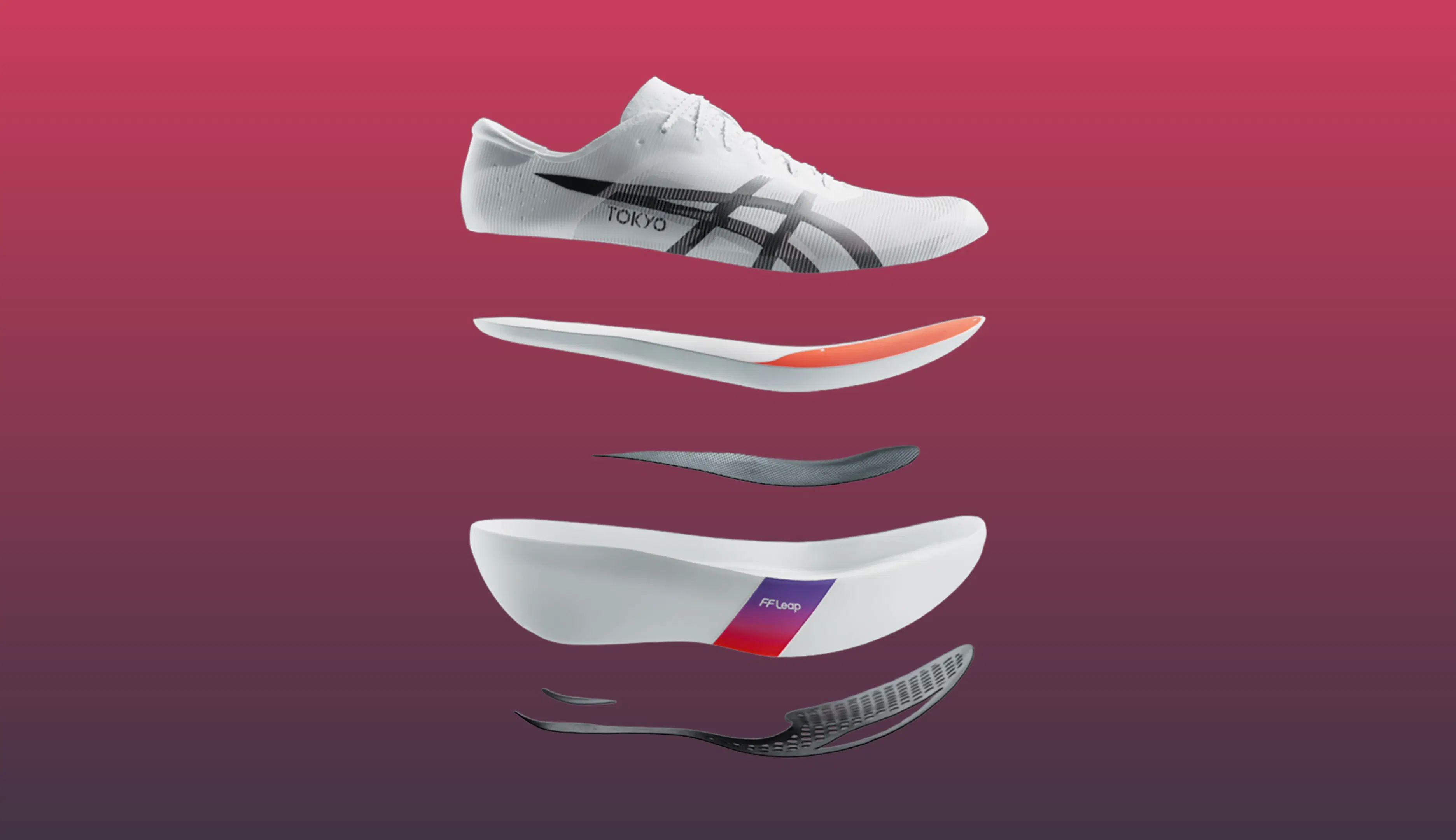
While the carbon plate usually takes all the limelight, a super shoe is a complete ecosystem of high-performance engineering. Each element is designed to complement the next, working towards one core goal: maximum energy return at minimum weight.
Upper: The shoe starts with a stripped-back engineered mesh, designed to lock your foot in place without unnecessary padding or weight. Every detail is considered, with lightweight materials helping to keep the overall shoe as light as possible.
Carbon Fibre Plate: The rigid plate works alongside the foam to increase stiffness through the midsole. It also acts as a lever, influencing how the shoe transitions through each stride and working with the foam and geometry to create a responsive ride.
Supercritical Foam: The true engine of the shoe. It compresses under load, storing and returning energy with every footstrike as it springs back into shape. Modern super shoes use advanced, lightweight foams designed to deliver a combination of cushioning, responsiveness and energy return.
Rocker Geometry: Finally, the foam and plate are paired with rocker geometry – a pronounced curve through the sole – which helps guide the foot forward through each stride, creating a smooth transition towards toe-off.
It's the combination of all these elements, rather than the carbon plate alone, that makes a super shoe so effective.
Who can wear carbon-plated running shoes?
You may have heard, 'Carbon-plated shoes are not for beginner runners', and while there is some truth in that, what does it really mean?
For more experienced runners, carbon-plated shoes can feel fast and efficient, but for beginners, the sensation can feel unfamiliar. The combination of a stiff plate, highly responsive foam and pronounced rocker geometry can create a very different running experience from a conventional daily trainer.
That doesn't mean you can't wear a super shoe, but we'd suggest avoiding jumping straight into the most aggressive carbon-plated racer on the market.
What's more important than finding a shoe that feels fast is building a consistent running base and understanding your own running style. Once you've established that foundation and you're looking to make incremental gains, exploring carbon-plated shoes could be your next step.
Ultimately, there's no strict experience requirement for wearing carbon shoes. It's more about finding a shoe that feels comfortable, stable and suitable for your running needs.
When should you wear carbon-plated running shoes?
Ideally, your carbon-plated shoes should be reserved for a goal, whether that's chasing a 10K or a marathon PB. They probably shouldn't be your first choice for daily training and easy runs. Not because you can't wear them, but because there are plenty of more suitable options for clocking up daily miles.
Carbon shoes are an investment and certainly more expensive than your daily trainers. Although they're packed with premium technology, some models have a shorter lifespan than your usual running shoes. In the pursuit of shaving off every possible gram, brands may reduce the amount of durable rubber used on the outsole, leaving you with a less durable but extremely refined race-day weapon.
Rather than judging a shoe by mileage alone, look for visible outsole wear, changes in foam cushioning, and any noticeable deterioration in comfort or performance to know when it's time to retire them.
That said, there's one golden rule every runner should follow: nothing new on race day.
If you're planning to race in carbon-plated shoes, make sure you introduce them into your training beforehand. Start with shorter tempo sessions or intervals to get used to the feel, then progress to longer race-pace efforts. If possible, include them in a longer run before your target event.
This gives you the opportunity to familiarise yourself with the fit, ride and feel of the shoe, while making sure there are no surprises when race day arrives.
You don't need to run every training session in your carbon shoes, but you do want to know exactly what to expect when you put them on at the start line.
What is the difference between nylon and carbon plates?
Think of a nylon plate as the slightly less aggressive sibling to the carbon plate, often found in shoes designed for tempo and faster training sessions.
These can offer a more flexible platform than a rigid carbon plate, while giving you that snappy and responsive feel you won't necessarily find in your daily trainer.
While carbon plates are typically designed to deliver maximum stiffness and efficiency for racing, nylon plates can provide a slightly more forgiving ride, making them a popular option for faster training sessions.
So while you might want a nylon-plated shoe for your tempo sessions, they can also be a great alternative to full carbon racers, or a stepping stone if you're considering making the transition to carbon-plated shoes for race day.
It's worth remembering that the plate material isn't the only thing that determines how a shoe feels. The foam, geometry and overall construction all play an important role, too.

How do you choose the right carbon-plated running shoe?
Not all carbon-plated running shoes are created equal. While they share the same broad technology, different models can offer very different experiences underfoot.
Before choosing your next pair, there are a few things worth considering:
Stability: Some carbon racers have a more aggressive geometry and narrower platform, which can feel less stable, particularly when fatigue sets in. If stability is important to you, look for a shoe with a broader base and a more secure ride.
Cushioning: Super shoes use a variety of advanced foams, each offering a slightly different balance of softness, responsiveness and protection. Some feel firmer and more propulsive, while others prioritise cushioning over longer distances.
Fit: Race-day shoes are designed to be lightweight, so their uppers can feel different from those of your everyday trainers. Make sure you have enough room through the toe box and that your foot feels securely held in place.
Distance: Consider what you're training for. Some shoes are designed with shorter, faster road races in mind, while others are built to deliver cushioning and efficiency over the full marathon distance.
Ultimately, the best carbon-plated running shoe is the one that works with your running style, feels comfortable underfoot and helps you perform at your best.
Interested in the latest shoes, apparel and technology? Then head over to our Kit & Gear category for more reviews, tips, advice and product releases.
Welcome
Welcome to SportsShoes Kit & Gear Hub! Here you'll find all the information and advice you need about the very latest kit, technology and gear.
Read More
Share this
Featured Articles
View All