Seville Marathon 2026: Training, Course & Race Insights
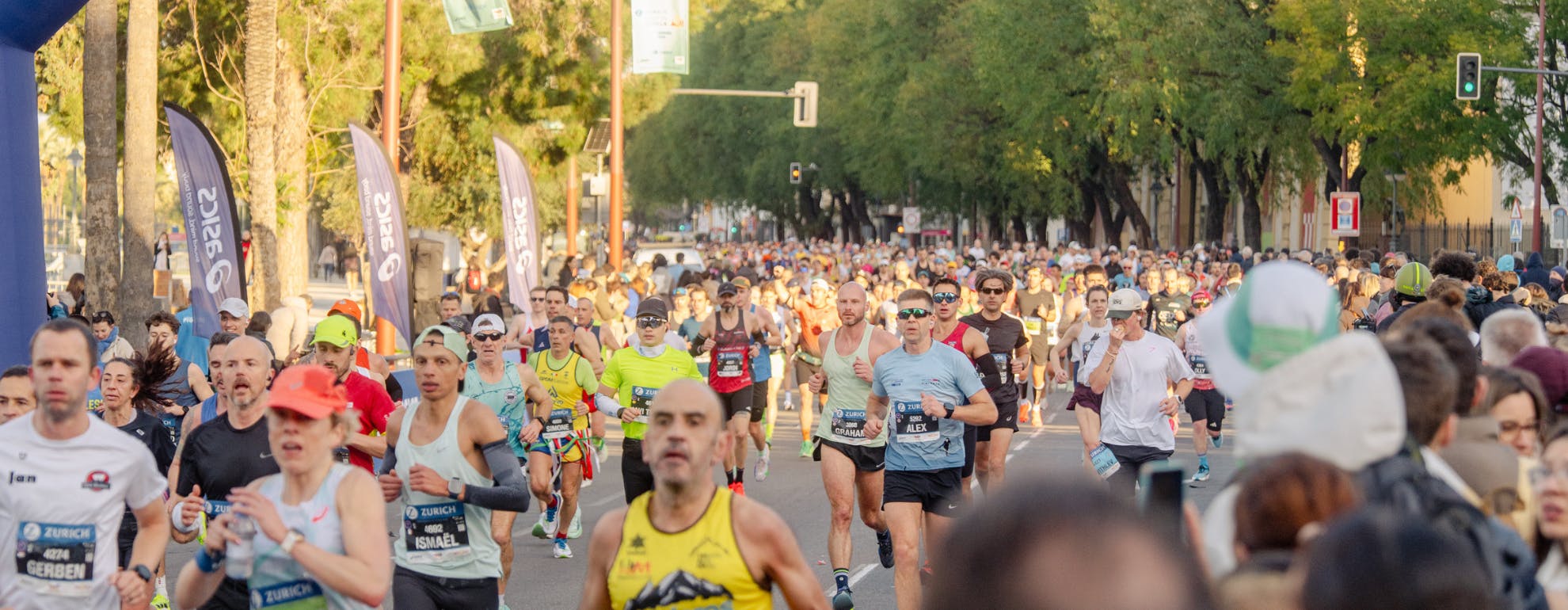
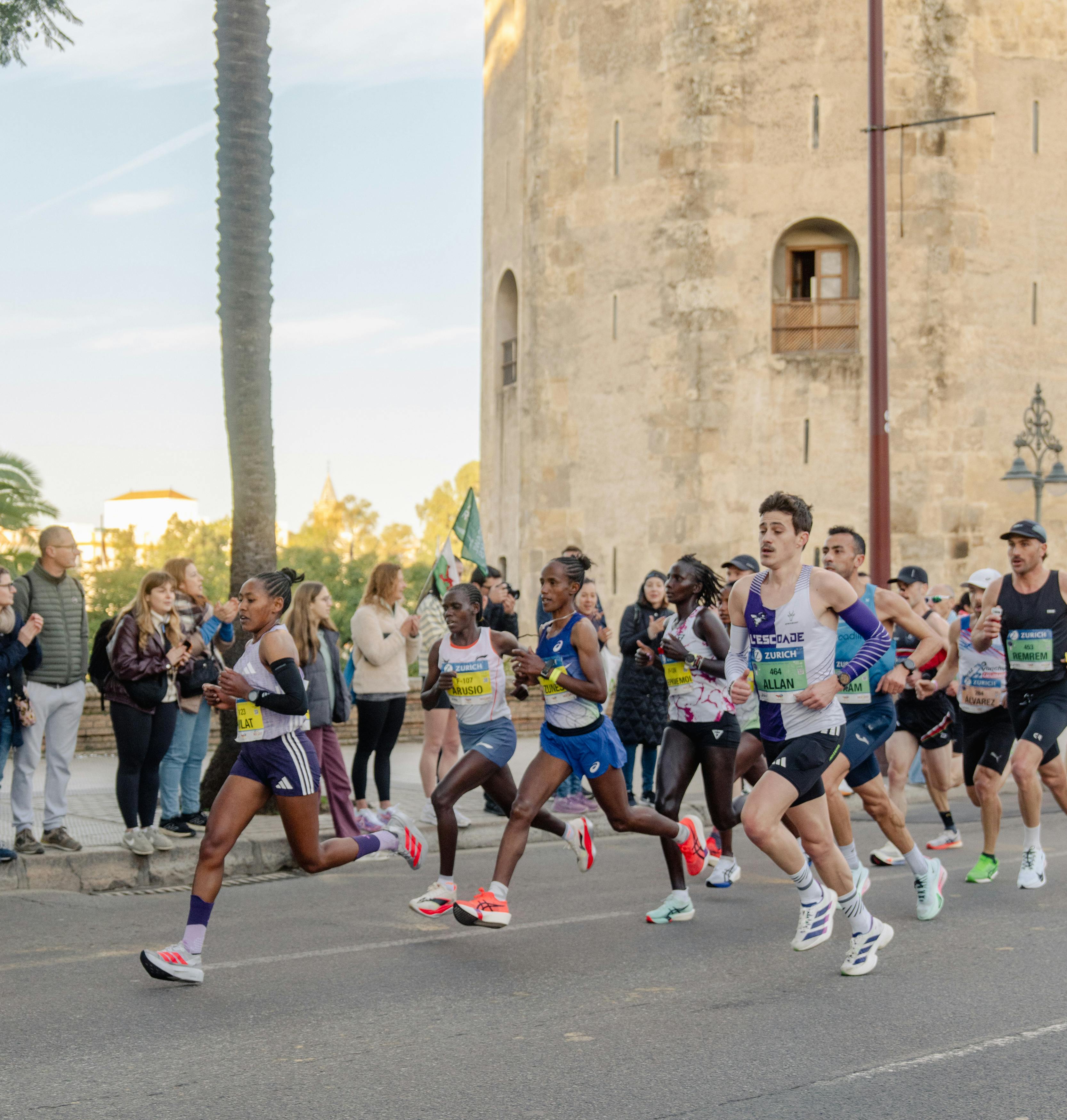
The Seville Marathon was a blast, and we were right in the middle of it! Around 17,000 runners lined up at the starting line this year to tackle the spectacular route through the Spanish metropolis. The marathon is particularly popular because of its very flat, fast course, the unique atmosphere, and the numerous sights you pass by.
ㅤ
ㅤ
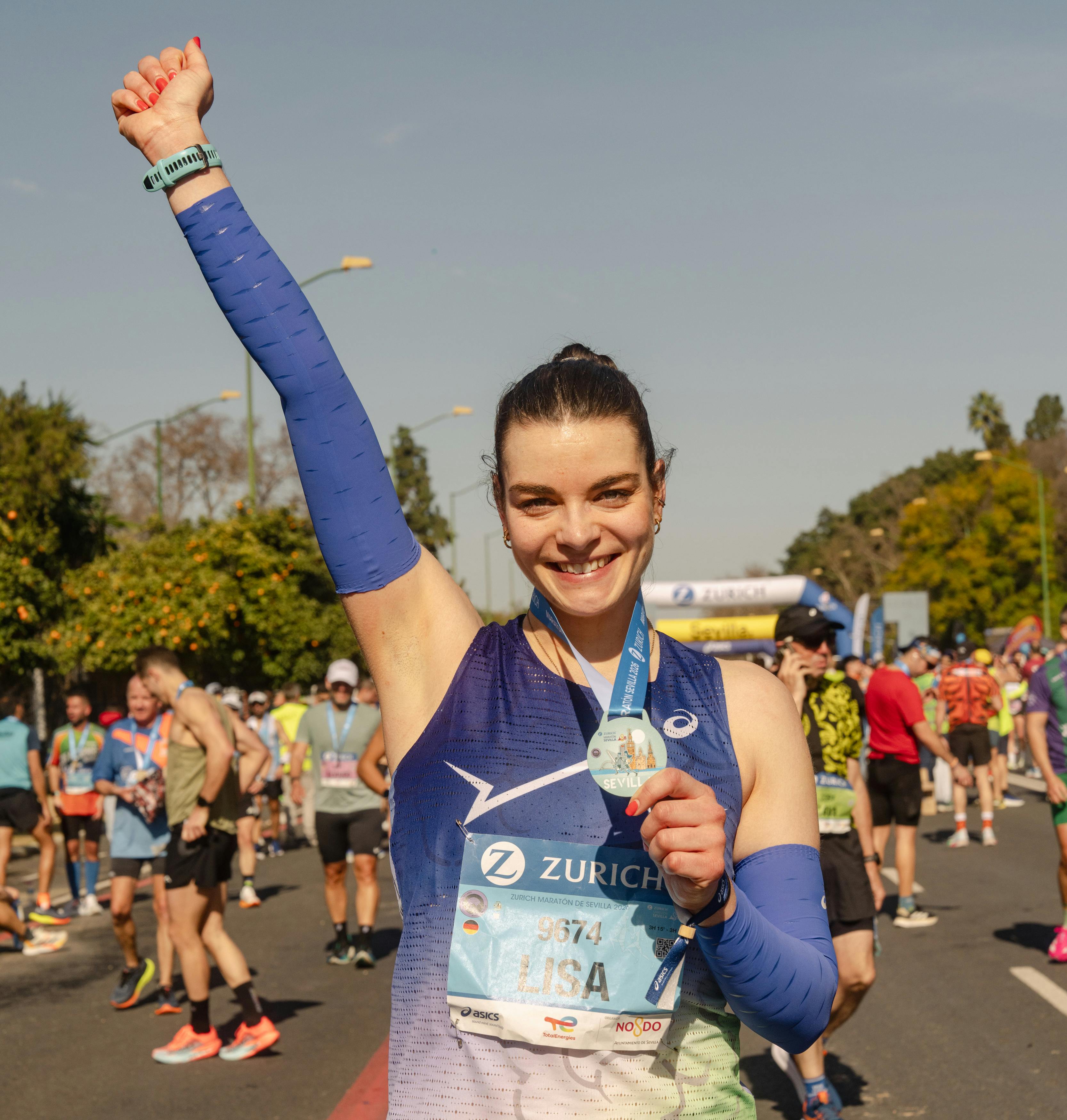
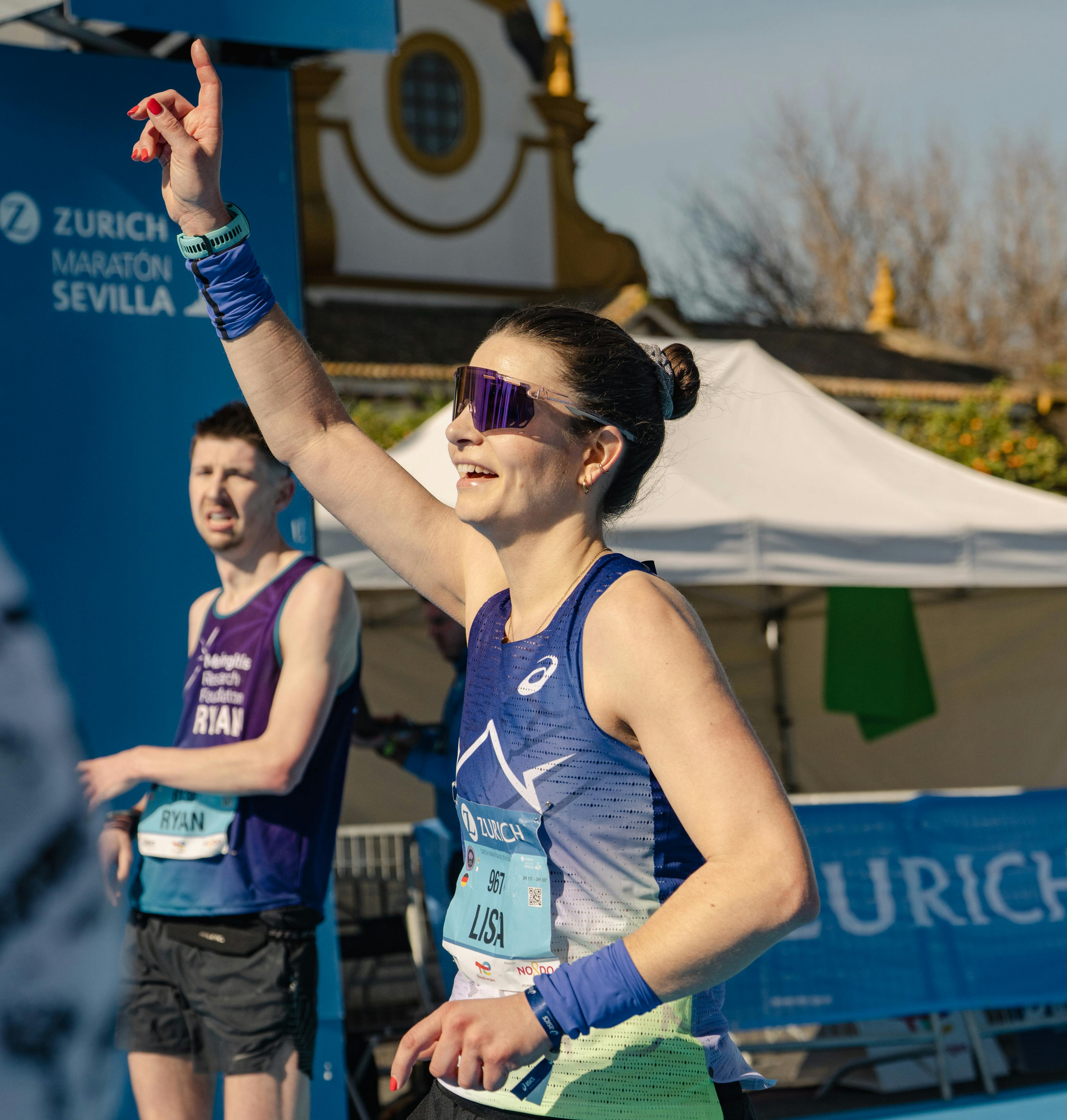
SportsShoes running ambassador, Lisa Knab, was also at the starting line this year. After her last marathon in Valencia 2025, Seville was the perfect way for her to kick off the new running season. Her main goal was to enjoy the race and the atmosphere without any pressure - all the more wonderful that she crossed the finish line with a new personal best of 3:21!
ㅤ
ㅤ
After an intense race weekend full of emotions and impressions, we spoke with Lisa about her preparation, race strategy, and her key takeaways from the Seville Marathon.
ㅤ
Preparation & Training
ㅤ
How did you prepare for the Seville Marathon — did you follow a structured plan or did you train more intuitively?
After completing the Valencia marathon, I first took two weeks off and then moved into a structured seven-week training block. Broadly speaking, this involved one easy steady run, one tempo run, some interval sessions, and a long run each week. Of course, both the volume and the intensity increased week by week.
Building on my existing foundation and specifically targeting my fitness level worked very well.
ㅤ
Were you able to maintain your training level after the Valencia Marathon — and how did you prepare for the temperature difference at the race?
I was able to maintain my level very well thanks to my quick return to training.
I didn't specifically prepare for the temperature difference, but you quickly notice during the race that 12 degrees and sunshine in February can feel quite warm.
ㅤ
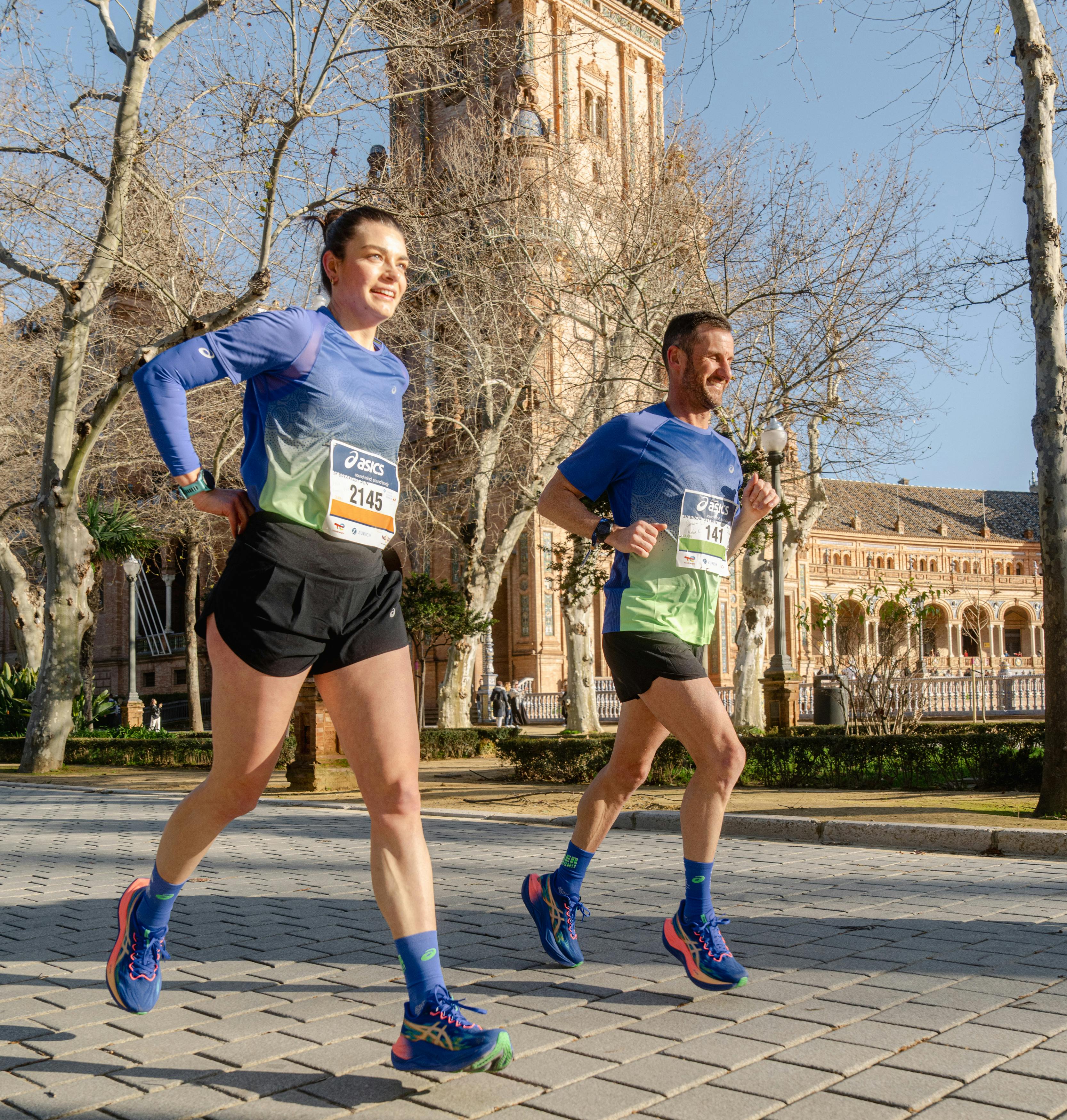
Which routes in Seville are particularly suitable for a shakeout run?
In Seville, the trails along the river or through the parks are ideal for stretching your legs before the big day.
ㅤ
ㅤ
Race Strategy & Course
ㅤ
What was your strategy for the race – pacing, nutrition or mental focus?
The general goal is to achieve a classic ‘negative split’, i.e. running the second half faster than the first. I managed to do this well in Seville (1:40:40 and 1:40:23).
I would have liked to have run the second half a little faster, but I didn't have the strength to do so.
During the marathon, I consistently took a gel every 6 kilometres and always drank water and isotonic drinks at the stations to keep my electrolyte balance stable.
ㅤ
How did you experience the course in Seville, and were there sections that felt particularly easy or particularly challenging?
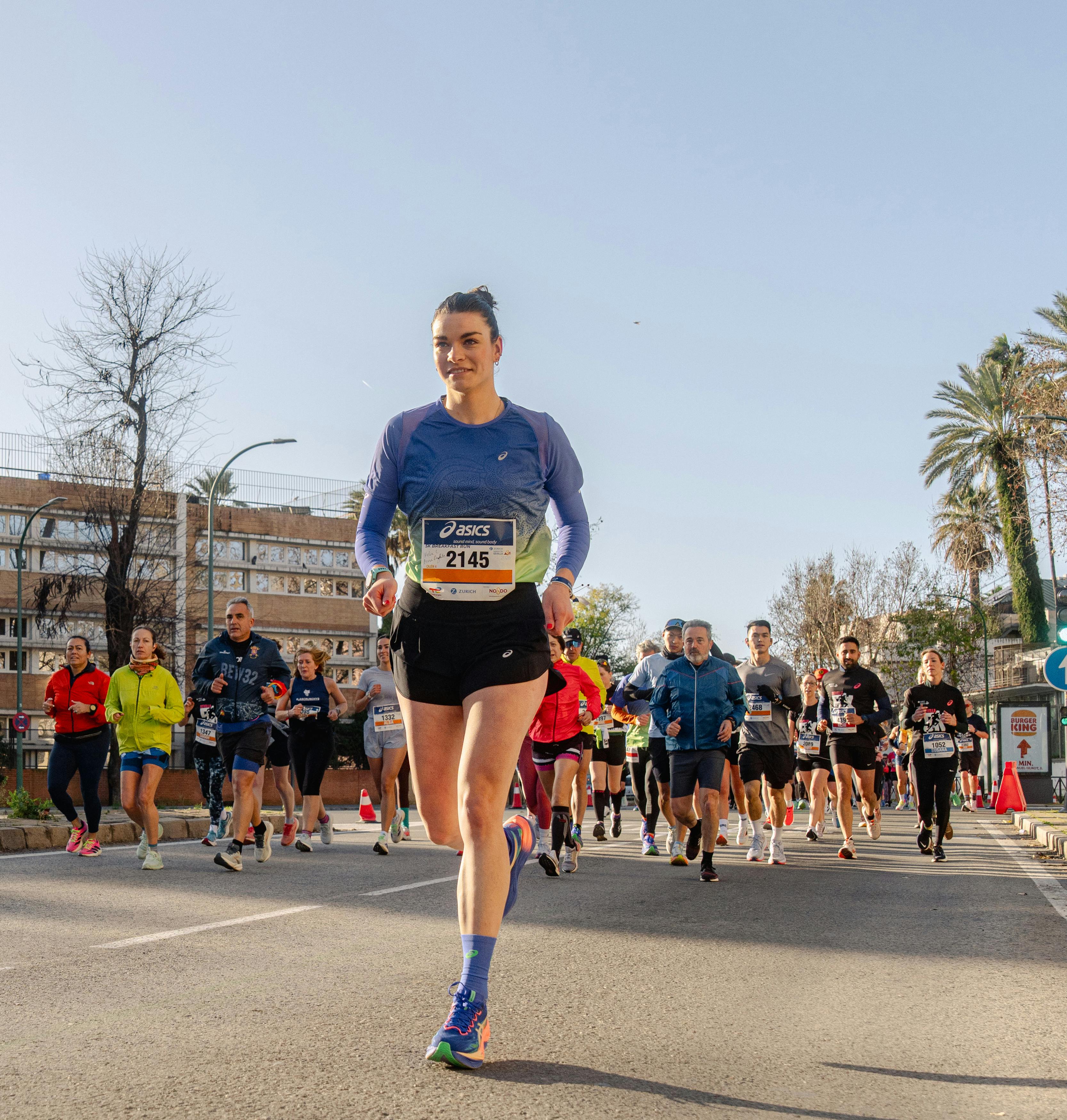
The course is very flat overall and you pass lots of exciting sights along the way.
The atmosphere is great and very motivating, with music playing in many places.
The final kilometers through the old town are beautiful, but also quite demanding because the surface is a bit uneven. From kilometer 35 onward, I really had to grit my teeth.
ㅤ
ㅤ
Regeneration & Race Day Learnings
ㅤ
What did your recovery look like after the Seville Marathon?
I highly recommend stretching after your run and focusing on active recovery. In Seville, for example, I cycled back to the hotel to loosen up my legs. I'm also going to take a whole week's break from running and do other sports, such as swimming or cycling.
ㅤ
What lessons are you taking from Seville into your upcoming races?
My main takeaway is that I need to train even more kilometres at the specific race pace in order to achieve my next PB. Pace endurance is crucial in order not to lose too much time in the final kilometres.
ㅤ
Who is the Seville Marathon particularly suited for, and what tips would you give to runners lining up for the next race?
The Seville Marathon is suitable for everyone — whether you are a beginner or a record-breaker looking to set a new personal best on a flat course.
My top tip is simple: have fun, enjoy the beautiful weather in Seville — and remember during winter training that not everything will go according to plan, for example if there’s snow outside. Don’t put too much pressure on yourself, and focus on long runs during your preparations. You should have run at least three times over the 30 km mark before you stand at the starting line.
ㅤ
ㅤ
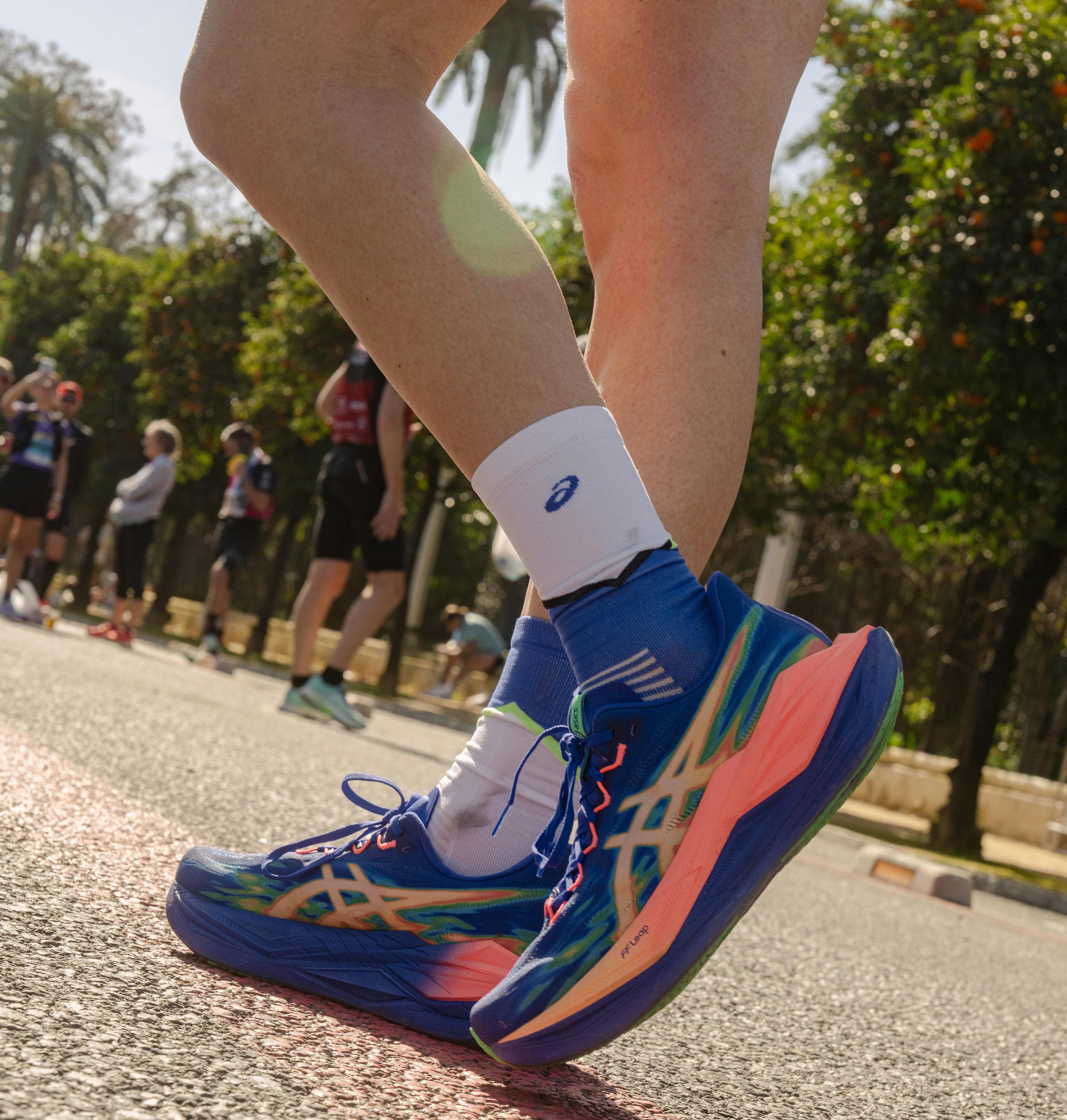
Lisa ran the Seville Marathon in the brand new ASICS SUPERBLAST™ 3, which was officially released just this past weekend. For the first time in a long while, she raced without carbon-plated shoes — and found the latest SUPERBLAST™ to be a fast, stable, and very comfortable alternative.
ㅤ
ㅤ
ㅤ
ㅤ
We would like to thank Lisa for sharing her impressions with us and are incredibly proud of her strong performance at the Seville Marathon.
After this successful start to the running season, her next goal is already on the horizon: the Berlin Half Marathon in March. If you want to follow her journey, be sure to check out her Instagram account.
ㅤ
ㅤ
Want to find out more? We've been busy collecting all the latest tips & expert advice for marathon training and race days. Our Marathon category lets you experience real in-the-moment stories as we dive deeper into Q&A with athletes, kit reviews, nutritional advice and so much more!
Welcome
We've been busy collecting all the latest tips & expert advice for marathon training and race days. Our exclusive guide lets you experience real in-the-moment stories as we dive deeper into Q&A with top brands, exclusive SportsShoes reviews, nutrition advice and so much more!