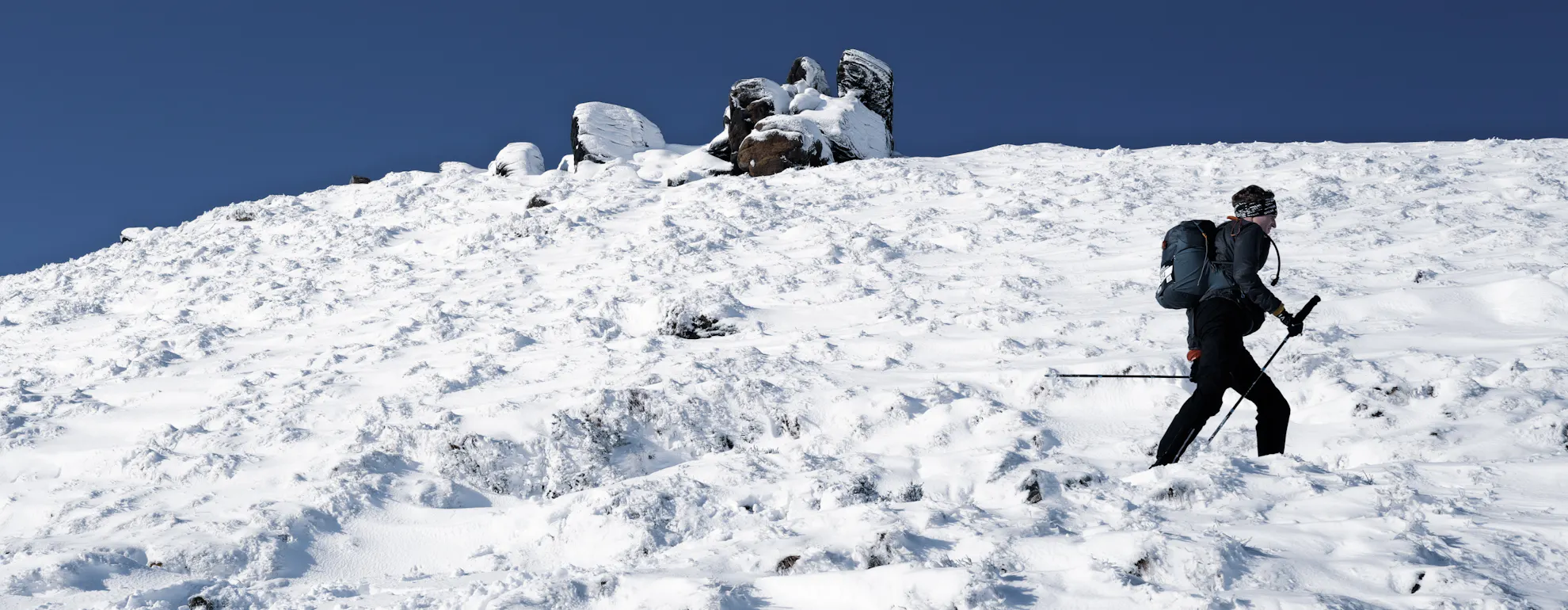
Inside the Montane Winter Spine Race: Britain's Toughest Race Through a Photographer's Lens
The Montane Winter Spine Race is often described through extremes. Extreme distance. Extreme weather. Extreme endurance.
Every January, runners take on 268 miles of the Pennine Way in the depths of winter, battling sleep deprivation, harsh conditions and the challenge of simply keeping moving.
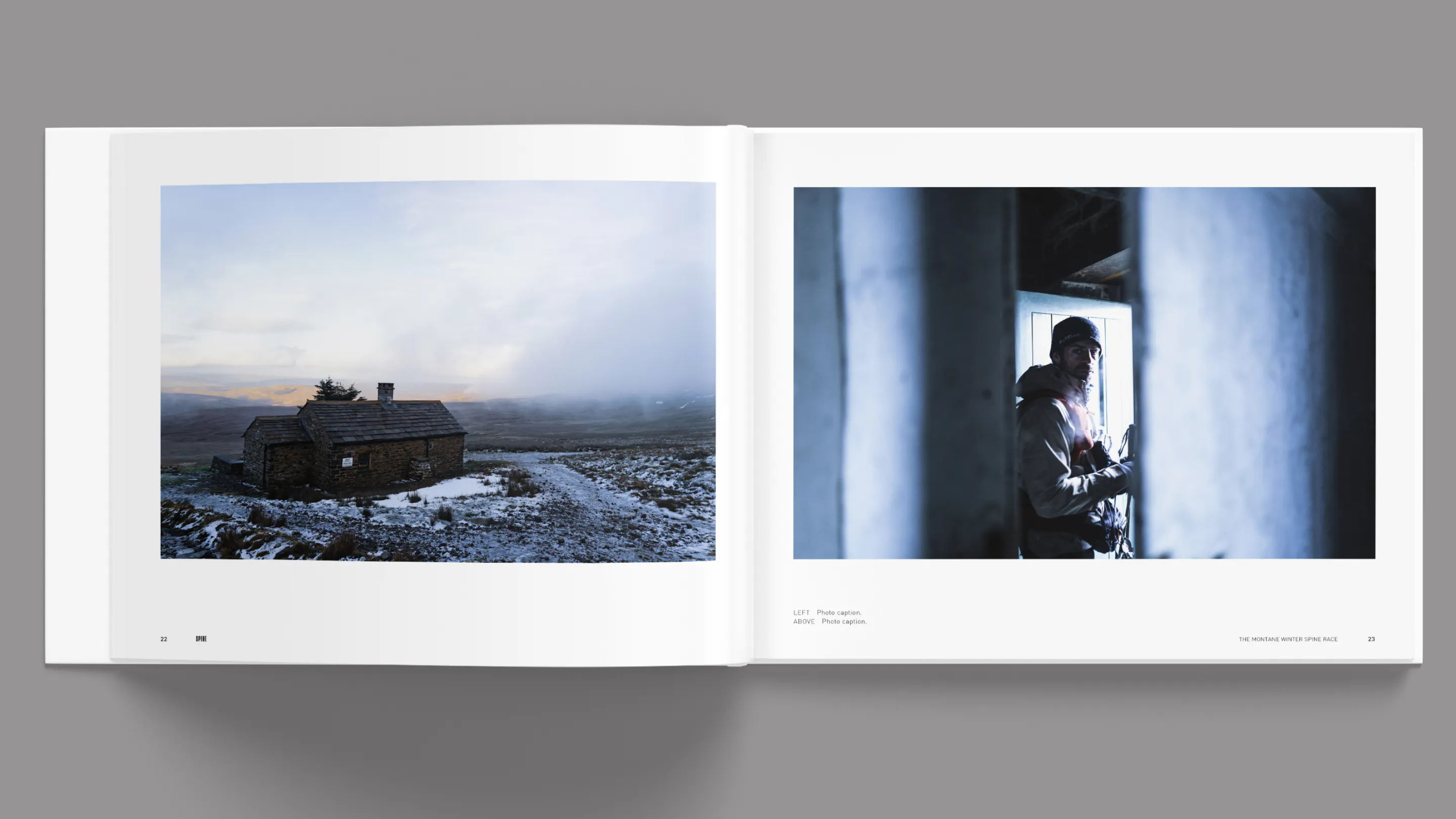
But when photographer David Miller spent a week following the race for what would become his new book, SPINE, he discovered that beneath the suffering was a very different story .
"I realised quite quickly that the Spine Race wasn't really about racing," he says. "Of course there were winners, but what struck me most was how much of the event is about survival, resilience and continuing forward."
For a week, David travelled up and down the Pennine Way, often sleeping in his car and chasing weather systems in search of the perfect shot.
"The cold is what I remember most vividly," he recalls. "Not just the temperature, but how relentless it felt. There were mornings when I'd wake up before sunrise shivering and wondering where the runners were. Then suddenly you'd find them emerging from the trail. It felt like stepping into another world."
Yet despite the race's reputation, what stayed with him most wasn't the hardship.
ㅤ
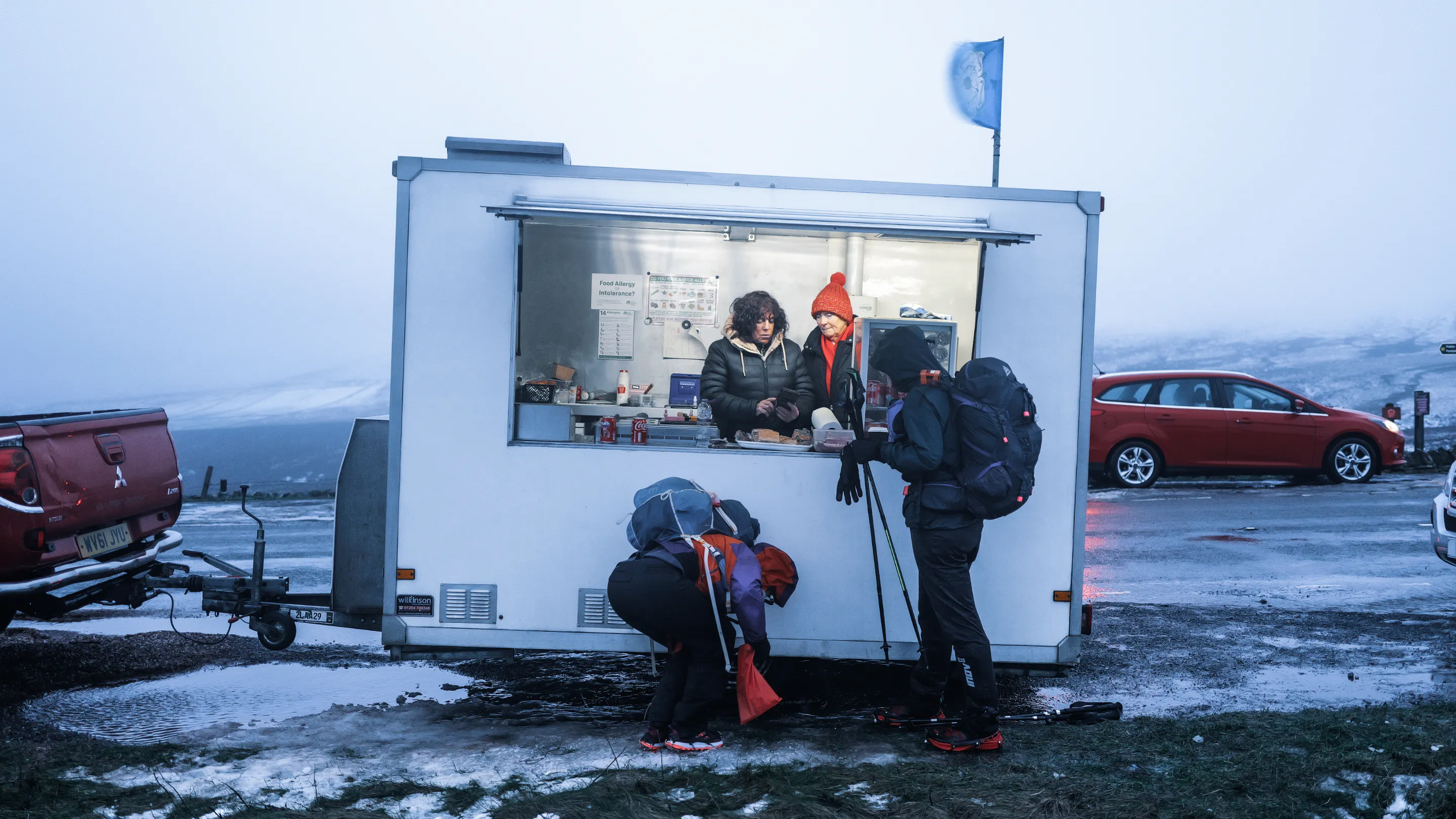
What fascinated him were the checkpoints, scattered along the route that became temporary refuges where exhausted runners could eat, rest and gather themselves before heading back out into the cold.
"The volunteers making food, helping runners change socks and checking on people's wellbeing. The race is often described through its brutality, but what I saw was an incredible amount of compassion holding everything together."
That became the unexpected theme running through SPINE.
"I arrived expecting to make a book about endurance, cold and suffering," says David. "I left with a book about kindness."
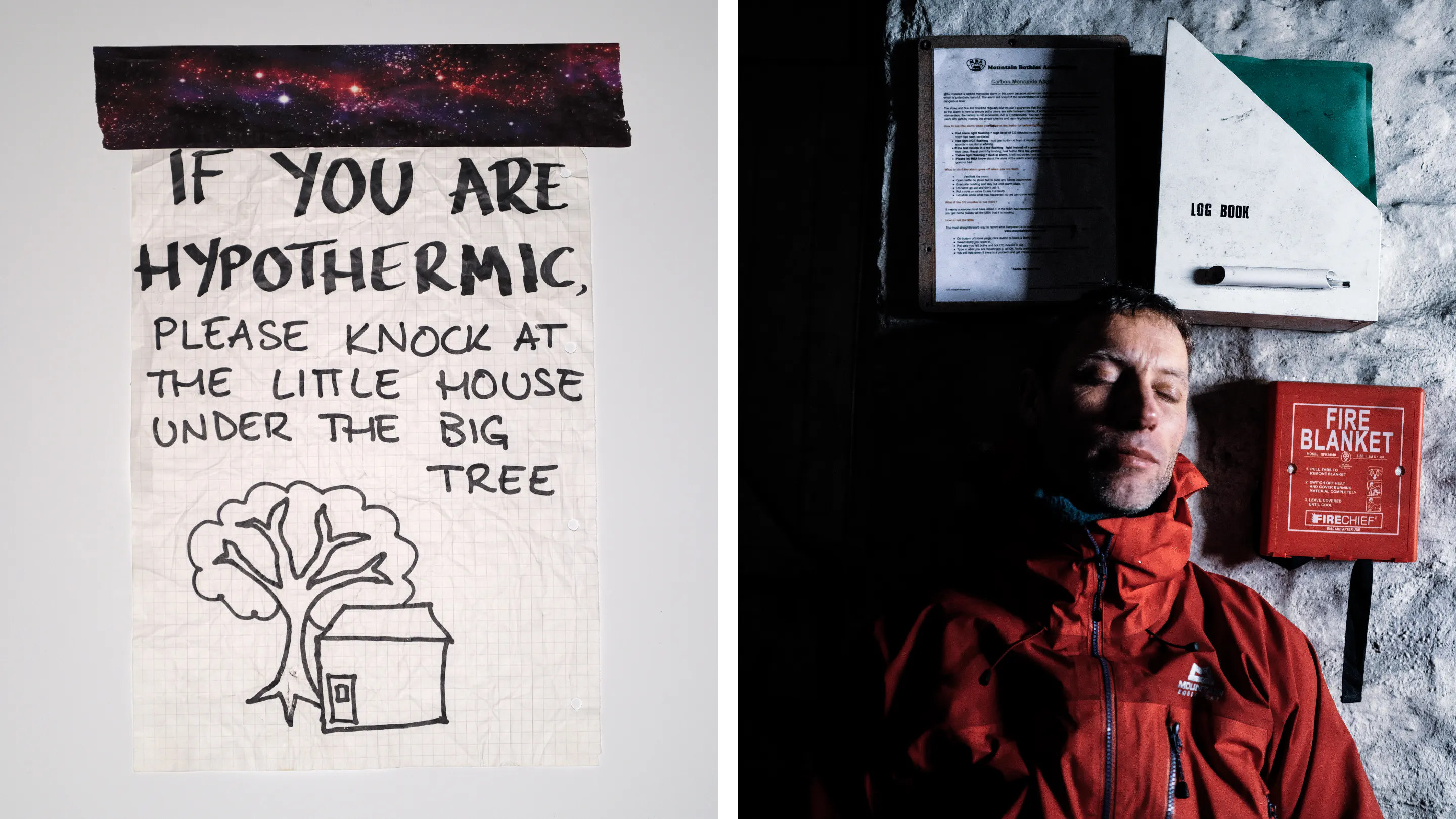
One detail that came to define that realisation was a handwritten sign David has spotted. Taped to a fridge door inside a barn, it read: "If you are hypothermic, please knock at the little house under the big tree."
On the surface it was simply practical advice for runners battling winter conditions. But as the week unfolded, the message took on a deeper meaning.
"Beneath all the hardship is a community looking after one another," says David. "The sign became a thread running through the entire project and ultimately found its way onto the book itself."
ㅤ
The Pennine Way itself also became a central character in the story. One evening, David climbed from Dufton towards High Cup Nick hoping to photograph the sunset. When he arrived, thick mist had swallowed the landscape.
Then, just minutes before sunset, everything changed.
"The mist simply disappeared," he says. "The light poured into the valley and the whole landscape seemed to come alive."
Standing alone on the Pennine Way, he experienced one of those rare moments photographers spend years chasing.
"It felt like a gift. Almost like an epiphany. It reminded me why I pick up a camera in the first place."
Yet the image that perhaps says the most about the Spine Race wasn't taken on a dramatic summit.
It's an image captured shortly after midnight inside a toilet block somewhere along the route. Three runners sit on the floor eating, resting and gathering themselves before heading back out into the darkness.
"For me, that photograph perfectly captures the spirit of the Spine Race," he says. "There's nothing glamorous about it. No finish line. No medals. No crowds. Just tired runners trying to stay warm, getting some calories in and finding the strength to keep moving."
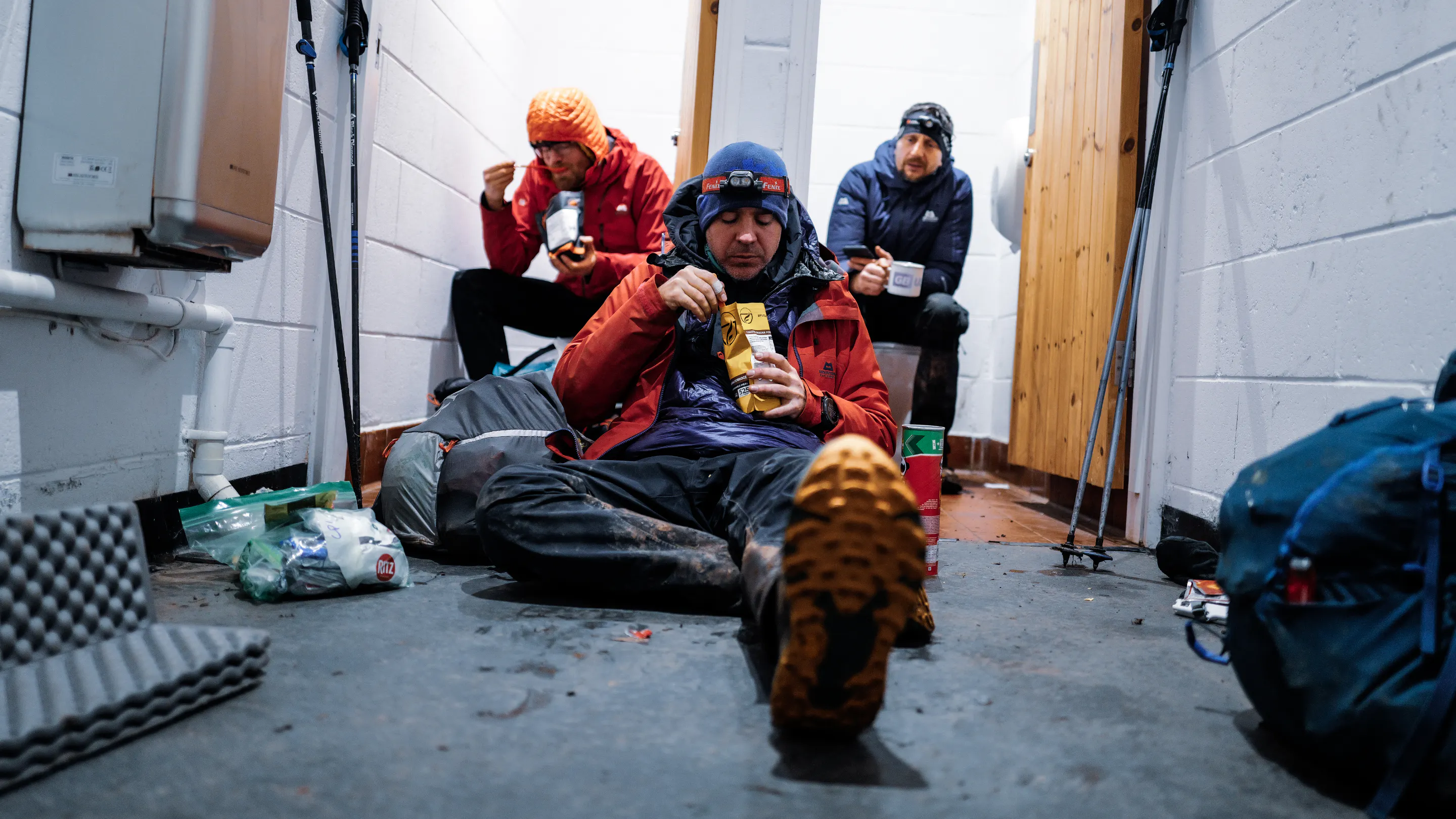
The Spine Race is often portrayed through dramatic landscapes and extreme weather, but David found himself drawn to moments like these. The quiet moments between the big ones.
"In many ways, that's what the Spine Race is all about," he says. "Ordinary people displaying extraordinary resilience in the most unremarkable places."
That perspective also changed the way he viewed the event itself. What initially appeared to be an individual challenge revealed itself as something far more collective.
"Nobody completes the Spine Race alone," he says. "The runners might be the people out on the trail, but there's an enormous support network behind every successful finish. The volunteers, medics, race staff and checkpoint teams are every bit as important to the story."
Now, through SPINE, David hopes to share a different side of the Montane Winter Spine Race.
"The headlines often focus on the brutality," he says. "But what I witnessed was an event built on resilience, kindness and human connection. That's the story I wanted SPINE to tell."
The SPINE photography book is currently being funded through Kickstarter. To support the project and pre-order a copy: visit David Miller's Kickstarter campaign
SportsShoes is committed to organising the most exciting and unique races, whether it's on the track, road or trail. Keen to find out more? Then check out our Races category for more information about events, latest news and results. Because it's no fun standing still.
Welcome
Read the latest news about events and races organised by SportsShoes.com: From new race formats, record-breaking attempts, 5k and 10k up to marathon distances. We're excited to get your heart pumping on race day!