Urban Incline Training: Finding Elevation Gain in the City
Running is not just about logging miles on flat terrain. While road running is often seen as a purely cardiovascular activity, it's also one of the most effective ways to build strength, especially when elevation gain is involved. By incorporating incline training and running on a slope into your routine, you force your muscles to work harder, improve your endurance, and prepare for the demands of trail running.
But what if you live in a completely flat area?
For many runners, training for a trail race in a flat city can seem like a major drawback. The good news is that you can train for trail running without mountains or hills. With the right approach, urban incline training allows you to simulate elevation gain and build the strength needed for trail performance.
In this article, you will learn how to simulate incline training in an urban environment, and the best ways to prepare for trail running when there are no hills nearby. From stairs and bridges to treadmill incline workouts, the city can become your training ground.
ㅤ
ㅤ
Are there benefits to incline training?
Running with elevation gain —whether uphill or downhill— offers clear performance benefits and is a key component of elevation gain training and flat terrain trail training.
Uphill running, or running on a slope, engages muscles differently than running on flat terrain. It requires a forward lean, greater knee drive, and increased activation of the glutes, hamstrings, and calves. This makes incline training without elevation access especially valuable, as it builds muscular endurance for trail running and improves running economy. [1]
Downhill running can help improve cardiovascular fitness, leg strength, and resilience, while also supporting preparation for positive elevation gain by strengthening connective tissues and improving impact tolerance. [2]
In short, the benefits of running on a slope extend far beyond hill-specific races. Incline work can make you a stronger, more efficient runner, even if you primarily train on flat terrain.
ㅤ
ㅤ
How to train for running with elevation gain when you live in the city?
If you're wondering if you can train for trail running in a relatively flat city, the answer is yes. Here are the most effective incline training methods in an urban environement:
ㅤ
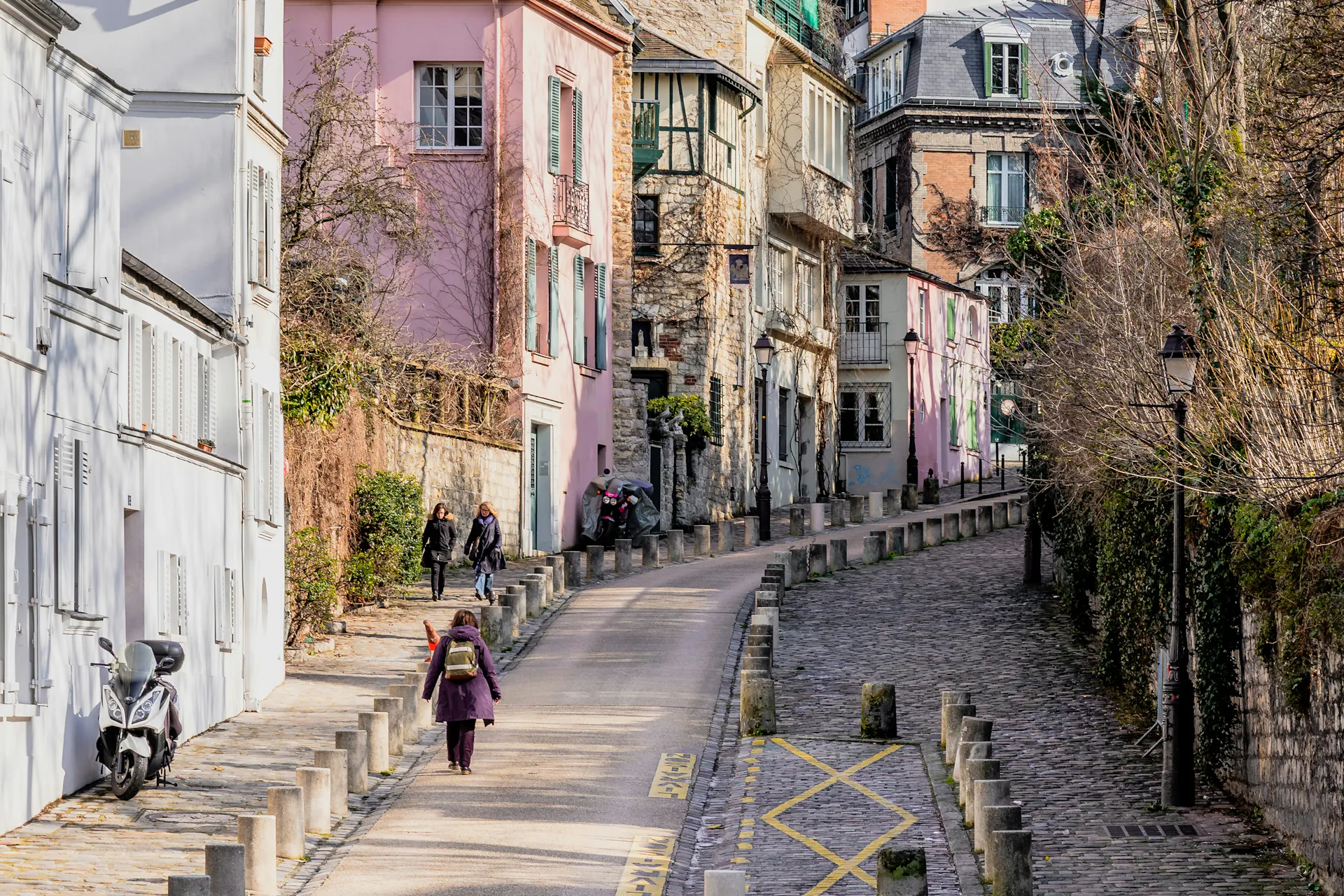
Photo credit: Jeff Frenette on Unsplash
ㅤ
Urban incline routes: Many cities naturally support city incline training through their infrastructure.
Look for roads or streets with a moderate gradient (4–6%) to begin your urban incline training.
From Lyon to Lisbon, or London’s Primrose Hill, urban environments often provide opportunities to run on gentle slopes without leaving the city. For more advanced sessions once you have built confidence and strenght, steeper climbs can be used as part of slope simulation training sessions.
ㅤ
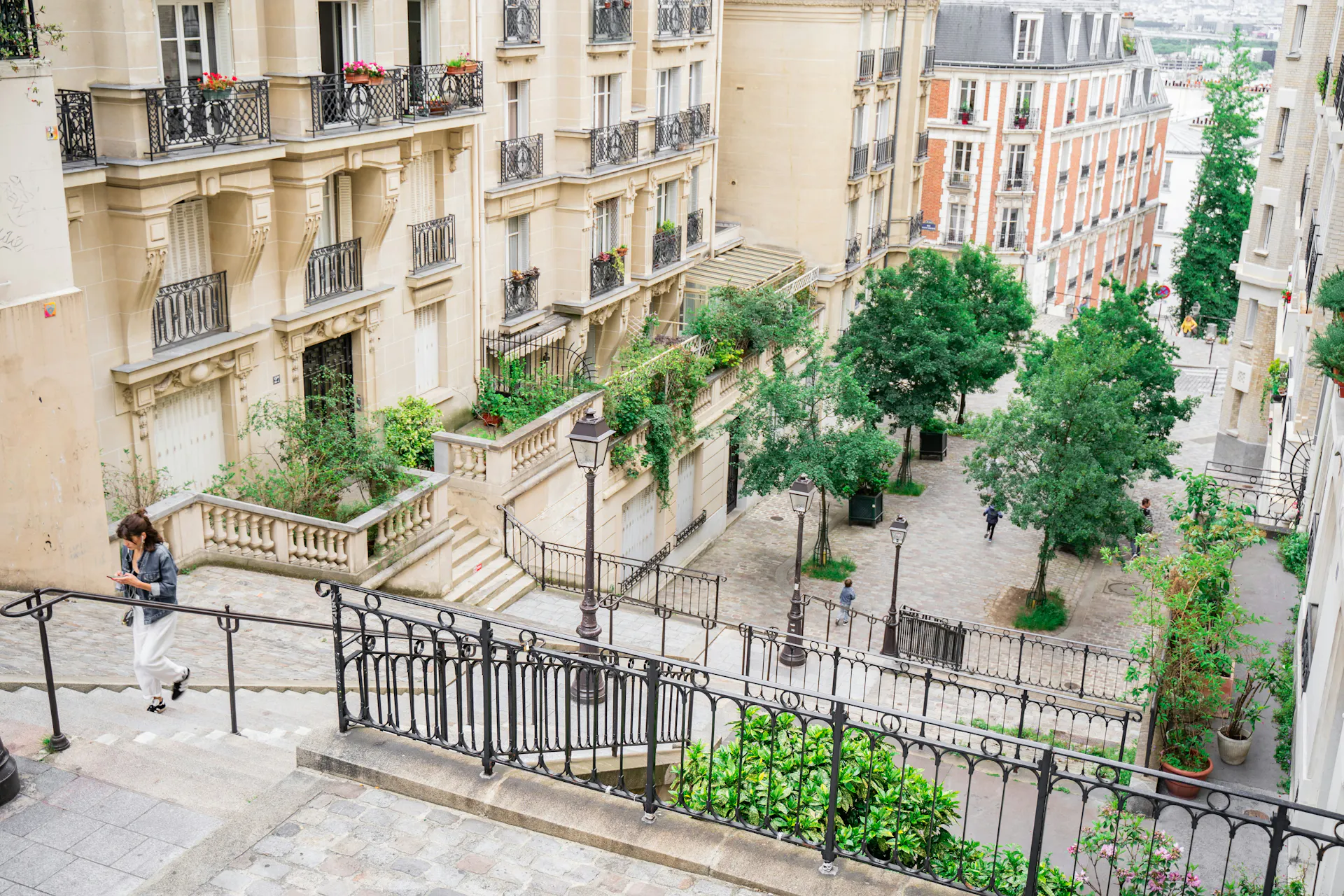
Photo credit: Daphné Be Frenchie on Unsplash
ㅤ
Stairs: a great alternative to running on hills
No hills nearby? Stair workouts for runners are one of the most effective ways to build strength and simulate elevation gain.
Climbing stairs helps develop power through concentric and eccentric movements (respectively the contraction and shortening of the muscle, and the extension of the muscle), making them ideal for resistance training for uphill running. Being much steeper than most hills, with an incline grade of roughly 65 %, stairs offer a great way to accelerate your heart rate rapidly and make you breathe faster to take in more oxygen, which improves your VO2 max, the maximum amount of oxygen you can utilise during intense exercise.
Stairs are one of the best solutions for runners wanting to prepare for trail running when there are no hills nearby. [3]
ㅤ
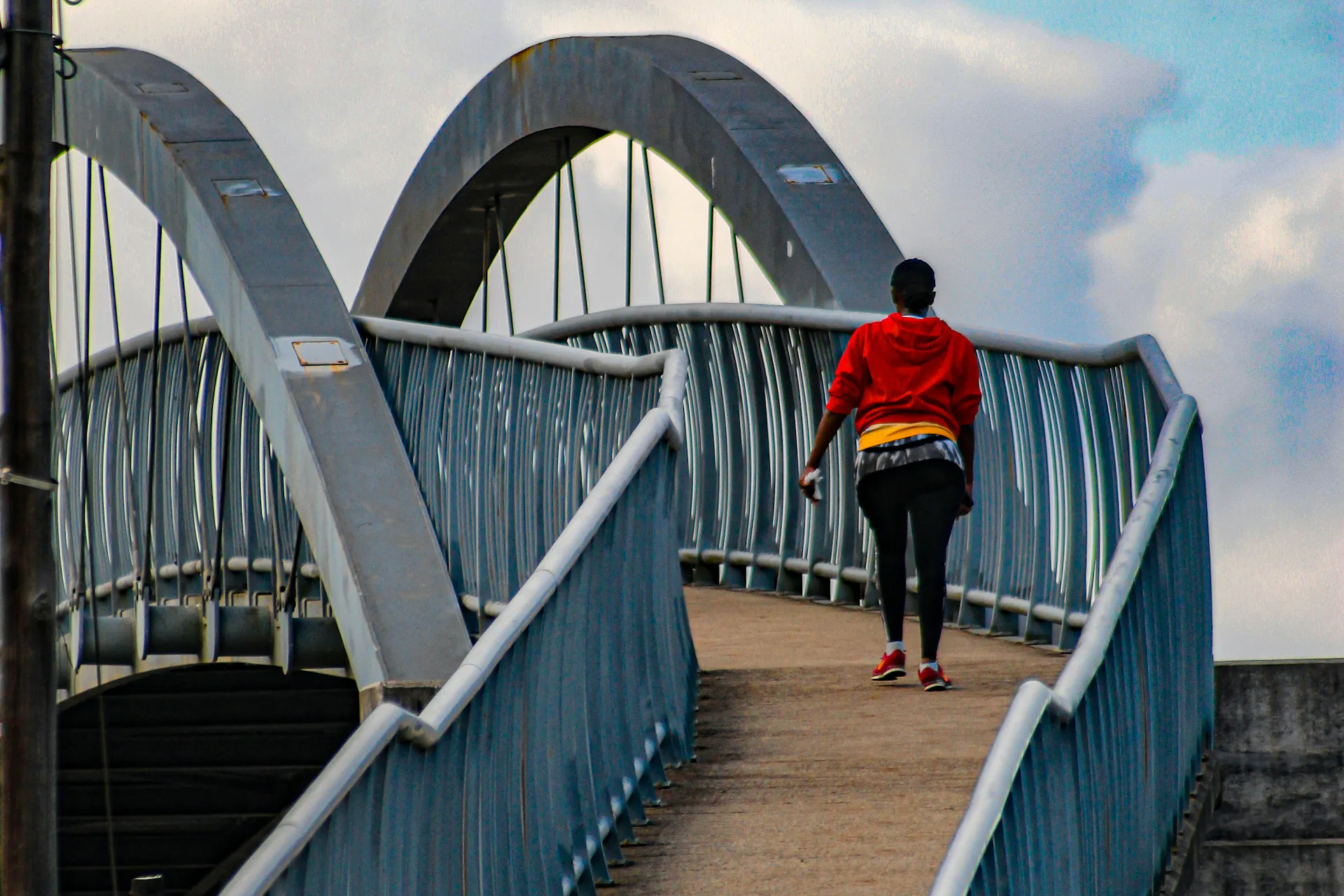
Photo credit: proudlyswazi on Unsplash
ㅤ
Bridges: ideal for bridge repeats
Bridges are perfect for bridge repeats, combining gradual incline with continuous effort. They allow you to practise running on a slope, helping adapt your stride and effort levels.
Where available, bridges with steps offer a hybrid option combining incline running and stair work in one session.
ㅤ
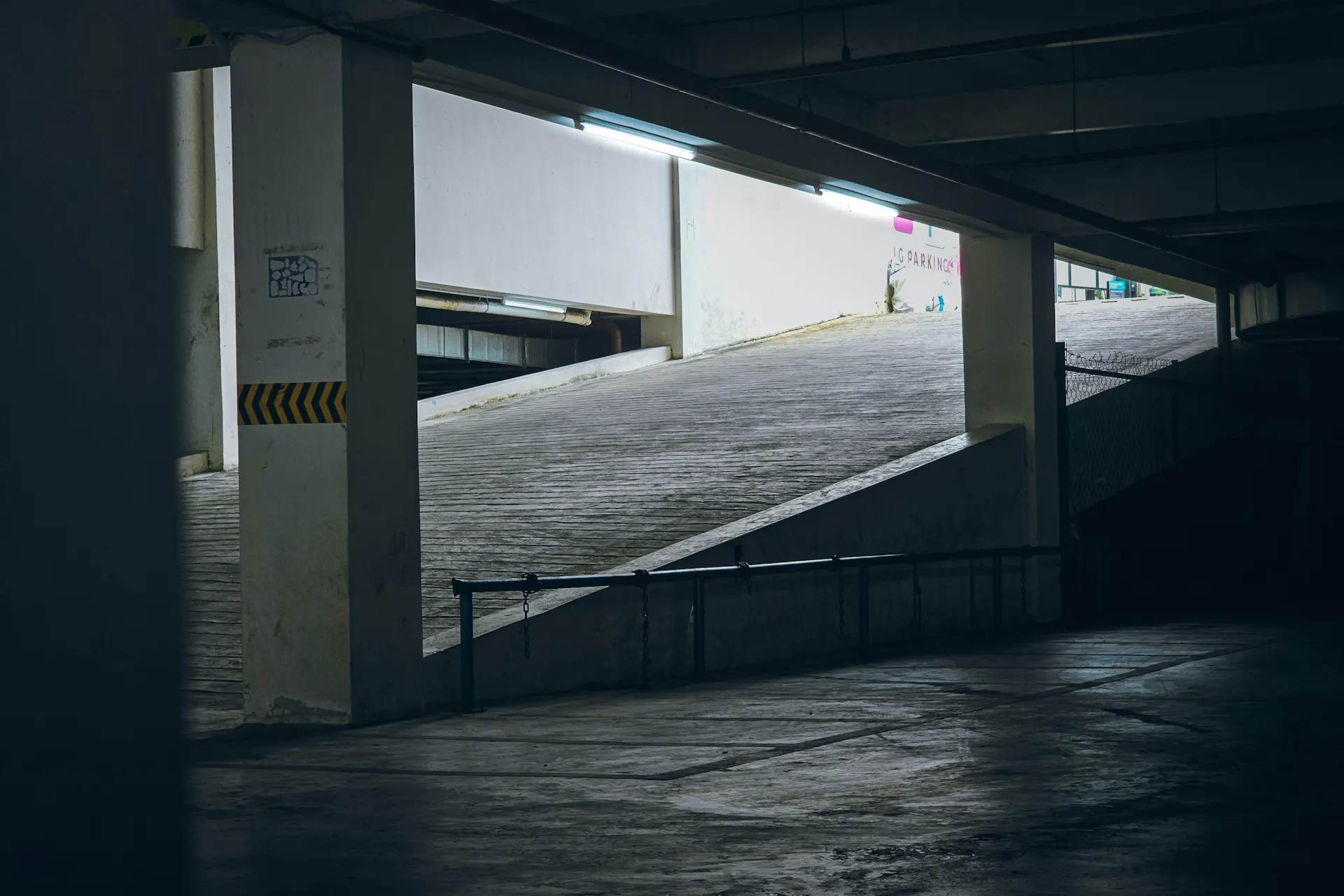
Photo credit: KC Shum on Unsplash
ㅤ
Multistorey car parks: controlled incline workouts
Multi-storey car parks are ideal for incline workouts in a covered parking lot. They provide consistent gradients, making them perfect for structured city incline training sessions.
You can alternate between ramps and stairs to create effective urban running strategies focused on elevation gain and muscular endurance.
ㅤ
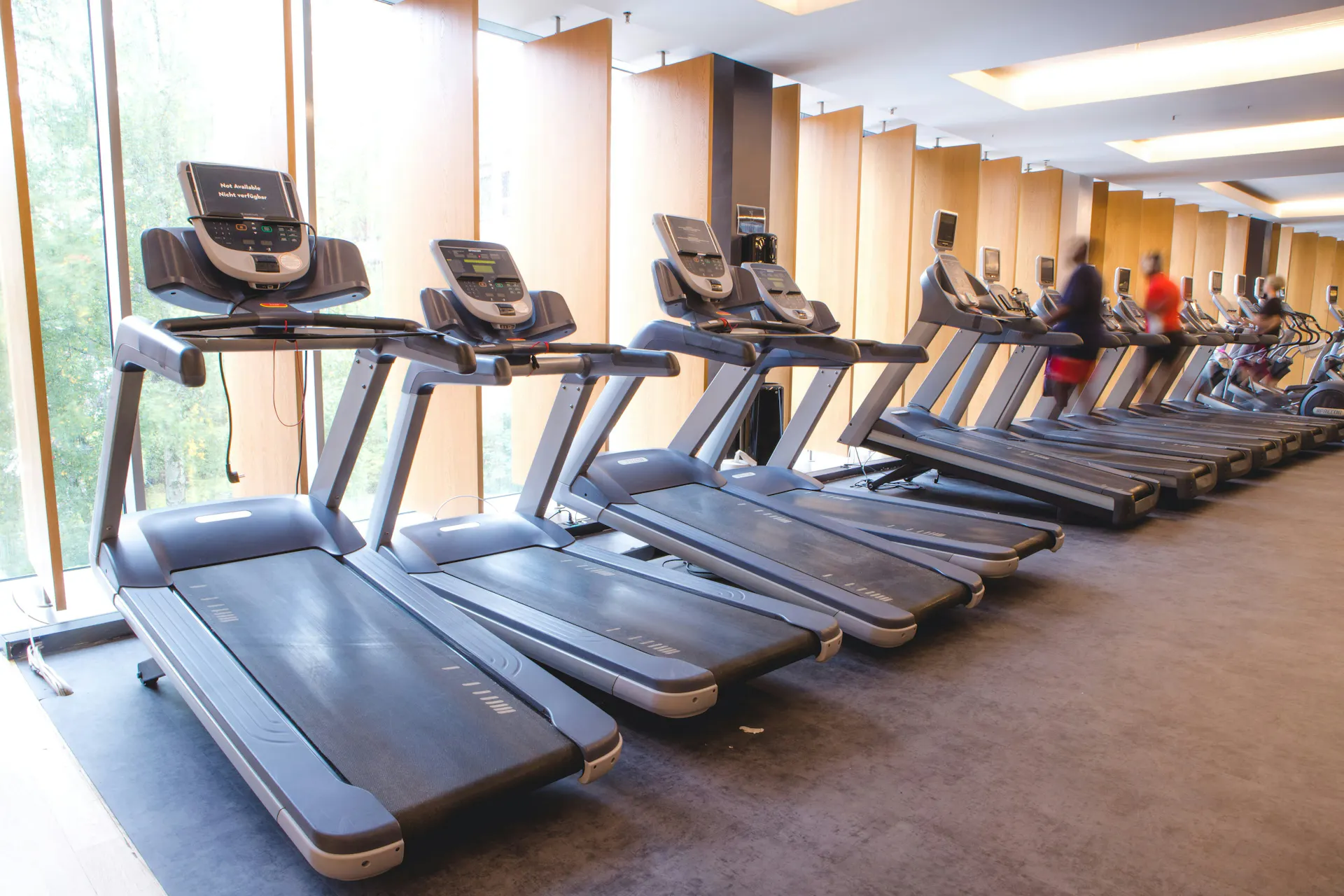
Photo credit: KC Shum on Unsplash
ㅤ
Treadmill incline workouts: The most controlled way to simulate hills is through treadmill incline workouts.
Whether at home or in the gym, this allows precise control over gradient and effort, making it one of the best ways to train for elevation gain without mountains.
Treadmills are particularly useful for structured slope simulation training sessions and consistent progression.
ㅤ
ㅤ
What running shoes should you use for incline training in the city?
For most runners, your everyday trainers are perfectly fine if they have good grip on dry/wet concrete, feel stable on inclines and aren’t overly worn, as traction matters more on ramps.
Although it's only optional, you can gain more comfort and ease by choosing shoes which include additional features, such as:
• A slightly higher drop heel-to-toe drop (e.g. 6–10 mm), which can take pressure off your calves and Achilles on steep climbs and feel more natural when leaning forward uphill. While lower-drop shoes work too, they will load your calves more.
• A reliable outsole grip. Painted lines and damp concrete can be slippery ; tight turns in car parks can be sketchy. It can be a good idea to look for decent rubber coverage rather than minimal race outsoles.
• Stable, not overly soft cushioning. Very soft, high-stack shoes can feel slightly unsupportive on sloped surfaces and less efficient when pushing uphill. A moderate, stable platform tends to feel better for repeated incline efforts.
ㅤ
Discover our range of running shoes and road/trail hybrid shoes, or visit our Shoe Finder to find the shoe that’s best for your incline training in the city.
ㅤ
ㅤ
What are the best European cities for incline running training?
From Bordeaux to Berlin, from Florence to Barcelona, from Manchester to Glasgow, city-dwellers all around Europe can make the best of the what they have on their doorstep to level up their running training and enter the world of incline training. In the table below, we present the 5 top cities in France, Germany, Italy, Spain and the UK to train for running with elevation gain, including the relevant infrastructure in each city such as outdoor steps, bridges and hills, with the number of steps and incline grade for each.
We hope this will help you find motivation to elevate your runs and take in some wonderful cityscapes while keeping in shape.
ㅤ
ㅤ
Best cities in Europe for incline running training
| COUNTRY | CITY | OUTDOOR STEPS (EST. STEPS) | BRIDGES WITH STEPS / INCLINE (%) | HILLS (INCLINE % / GAIN) |
| France | Bordeaux | Pont de Pierre access (~80–120 steps) | Chaban-Delmas bridge (~4–6%) | Parc Palmer (~5–10%) |
| France | Lille | Citadelle perimeter (~150–250 steps cumulative) | Pont de la Citadelle (~3–5%) | Citadelle ramparts (~4–8%) |
| France | Nantes | Butte Sainte-Anne (~120–150 steps) | Pont Éric-Tabarly (~3–4%) | Jardin des Plantes (~3–6%) |
| France | Paris | Montmartre (~300 steps) | Pont Neuf (~2–4%) | Buttes-Chaumont (~8–12%) |
| France | Strasbourg | Barrage Vauban (~60–100 steps) | Passerelle des Deux Rives (~2–3%) | Parc de l'Orangerie (~3–5%) |
| Germany | Berlin | Marie-Elisabeth-Lüders-Haus (~80–120 steps) | Behmstraßenbrücke (~4–6%) | Teufelsberg (~10–15%) |
| Germany | Cologne | Rheinpark (~100–150 steps) | Hohenzollern Bridge access (~3–5%) | Herkulesberg (~10–14%) |
| Germany | Frankfurt | Riverbank steps (~80–120 steps) | Eiserner Steg (~3–4%) | Lohrberg (~6–10%) |
| Germany | Hamburg | Treppenviertel (~5,000 steps total network) | Kohlbrandbrücke (~5–7%) | Altonaer Balkon (~5–8%) |
| Germany | Munich | Olympiapark (~150–300 steps) | Marienklause (~3–5%) | Olympiaberg (~8–12%, ~60m gain) |
| Italy | Florence | Rampe del Poggi (~200–300 steps) | Ponte Vecchio (~1–3%) | Piazzale Michelangelo (~6–10%) |
| Italy | Milan | San Siro ramps (~low-step, continuous incline) | Porta Genova (~3–5%) | Monte Stella (~6–10%) |
| Italy | Naples | Pedamentina (~400–500 steps) | Ponte della Sanità (~4–6%) | Capodimonte (~6–9%) |
| Italy | Rome | Spanish Steps (138 steps) | Ponte della Musica (~3–4%) | Janiculum Hill (~5–8%) |
| Italy | Venice | Canal bridges (~10–20 steps each; 400+ bridges) | Ponte della Costituzione (~5–8%) | Minimal elevation (~1–2%) |
| Spain | Barcelona | Montjuïc (~200–300 steps) | Bac de Roda (~4–6%) | Ciutadella (~3–6%) |
| Spain | Madrid | Templo de Debod (~80–120 steps) | Segovia Bridge (~3–5%) | Casa de Campo (~6–12%, 150m gain) |
| Spain | Seville | Metropol Parasol (~100–150 steps) | Alamillo (~5–7%) | Parque del Alamillo (~2–4%) |
| Spain | Valencia | Miguelete tower (~200 steps spiral) | Turia bridges (~2–4%) | Cabecera (~3–6%) |
| Spain | Zaragoza | Pilar tower (~200+ steps) | Bridge Pavilion (~4–6%) | Parque Grande (~4–8%) |
| UK | Birmingham | Library terraces (~100–150 steps) | Spaghetti Junction paths (~3–5%) | Lickey Hills (~8–14%) |
| UK | Glasgow | Necropolis (~120–200 steps) | Clyde Arc (~4–6%) | Kelvingrove (~4–7%) |
| UK | Leeds | Civic steps (~80–120 steps) | Crown Point (~3–5%) | Woodhouse Moor (~3–6%) |
| UK | London | Greenwich (~150–200 steps) | Tower Bridge (~4–6%) | Primrose Hill (~6–10%) |
| UK | Manchester | Deansgate (~80–120 steps) | Hulme Arch (~3–5%) | Heaton Park (~2–5%) |
ㅤ
ㅤ
Inspired to take your running training to the next level? Check out our articles about getting into trail running and strength and conditioning for trail runners.
ㅤ
ㅤ
References:
[1] https://www.nature.com/articles/s41598-025-08275-w
[2] https://puresportsmed.com/blog/posts/the-benefits-of-downhill-running/
[3] https://scrippsamg.com/5-reasons-to-start-running-stairs/
ㅤ
ㅤ
Looking for some training tips and advice? Then head over to our Training category where our athletes and experts explain everything you need to know.
Welcome
Welcome to the SportsShoes Training Hub! We’ve teamed up with athletes and experts to bring you the very best advice on how to maximise your workouts and achieve your best results.
Read More
Share this
Featured Articles
View All